
Skip the Clinic. IVF at Home — Start Your Fertility Journey
Choose HomeIVF as a Preferred Source on Google and make it easier to find our latest fertility guides, IVF information and expert educational content.
Talk to our IVF expert
A senior specialist will call you back — usually within an hour.
Share a few details. We'll listen, understand your journey and design a plan that fits your health, timeline and budget. IVF packages start from ₹1.5 lakh; exact pricing is personalised after consultation.
- 100% confidential
- No pressure sales
- Regional language support
- Free eligibility check
Free Consultation
Talk to our IVF expert
100% private & confidential · By submitting you consent to be contacted by HomeIVF and to receive an OTP on your phone.
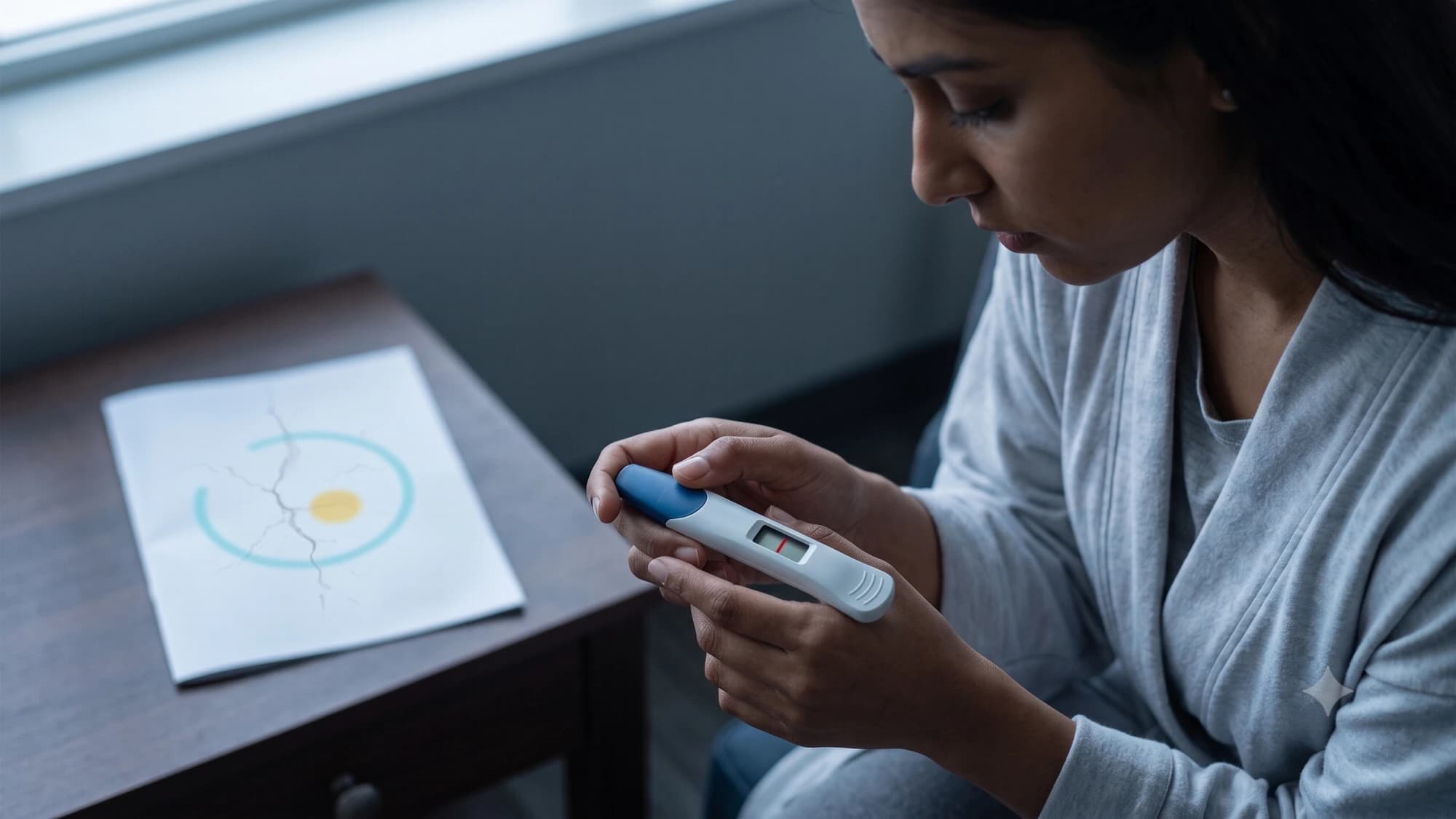
Failed IVF?This is where recovery begins.
Nearly 1 in 3 families who come to HomeIVF have already been through a failed cycle elsewhere. A failed IVF is not the end — it is the moment where an honest, senior-led re-evaluation can change the outcome of your next attempt.
We won't rush you into another cycle. We'll sit with your reports, look for what was missed, and build a plan around your biology — not a template.
What we do differently
- A senior second opinion on WHY the last cycle failed — not another rushed protocol.
- Advanced diagnostics: ERA, karyotype, immune workup, sperm DNA fragmentation.
- Personalised protocol design — mild-stim, DuoStim, PGT-A, PRP where indicated.
- Home-based monitoring so you avoid the emotional weight of repeat clinic visits.
Every recovery case is personally reviewed by Dr. Gauri Agarwal and a panel of senior fertility specialists before we recommend a next step.
Low egg reserve? There is still a plan.
Low AMH?Your best cycle is still ahead.
A single AMH number does not decide your outcome. What matters is how we design the cycle around it — the stimulation protocol, the timing, and the add-ons that lift the odds without wearing you down.
At HomeIVF we've helped hundreds of women with AMH below 1.0 ng/mL conceive with a personalised, low-dose approach.
What we do differently
- Detailed AMH + AFC panel review before we suggest any protocol.
- Mild-stim / mini-IVF options that avoid over-stimulating a low-reserve ovary.
- DuoStim & PPOS protocols when a single cycle isn't yielding enough eggs.
- Nutritional + supplement plan (DHEA, CoQ10) started 8-12 weeks pre-cycle.
Genetic TestingThe single biggest lift in IVF success.
Roughly 50–70% of IVF failures trace back to chromosomally abnormal embryos. PGT lets us transfer only the normal ones — fewer transfers, higher per-transfer success, and dramatically lower miscarriage risk.
Especially critical for women over 35, recurrent miscarriage, repeated IVF failure, and couples carrying known genetic conditions.
Testing we routinely offer
- PGT-A (aneuploidy screening) — identifies chromosomally normal embryos before transfer.
- PGT-M (single-gene disorders) for couples carrying inherited conditions.
- Carrier screening — 400+ recessive gene panel for both partners pre-conception.
- NIPT (Non-Invasive Prenatal Testing) once pregnancy is established.
Every genetic case gets a dedicated counselling session before we sample any embryo — no surprises, no jargon.
Your journey
Your step-by-step guide to get IVF at home.
A gentle, evidence-based path — 90% of it done in the comfort of your home, and only two short clinical visits when they truly matter.
Book a Consultation
Schedule your appointment with our counsellor online.
Medical Review
Our doctors review your history and reports to create a personalised plan.
5-min Semen Test
Quick semen analysis with reports in just 5 minutes.
Home Injections
Hormonal injections are delivered and administered at home by a certified nurse.
Ultrasounds
Visit a trusted nearby lab for scans.
Final Clinic Visit
Egg retrieval (OPU) and embryo transfer (ET) at your nearest Seeds of Innocens clinic.
Why HomeIVF exists
Traditional IVF vs HomeIVF.
The same clinical rigour — reimagined around your life instead of a clinic's schedule.
The old way
- Frequent clinic visits, crowded waiting rooms.
- Long commutes + missed work days.
- Emotional fatigue, anxiety, social pressure.
- You're treated like a case file.
Care that comes home.
- Most of the process happens at your home, privately.
- No travel hassles — medicines, tests and injections delivered and done at home.
- Discreet, judgment-free, emotionally supportive care.
- You're treated like family, with empathy and expert guidance.
Led by fertility pioneers
The specialists behind HomeIVF.
A senior team of reproductive endocrinologists, embryologists and fertility nurses — trained across India, Belgium, Singapore and Stanford — guiding every case personally.

Dr. Gauri Agarwal
Principal Consultant
Dr. Gauri Agarwal is a young, dynamic and leading fertility specialist of Delhi/NCR. Dr. Agarwal is backed by a visionary thinking, die-hard determination and industry-rich experience of more than 10 years. She is the Director, IVF at Seeds of Innocence Centre. Dr. Agarwal finished her MBBS degree from Bharati Vidyapeeth Medical College, Pune. Post that, she did a Diplomate of National Board (DNB), Obstetrics and Gynaecology Residency Program from KG Superspecialty Hospital, Coimbatore. She followed this with a hard-earned Fellowship Program in Reproductive Medicine (Infertility) from the University of Gent, Belgium. Further, she received training in Embryology at the National University of Singapore.

Dr. Aditi Bhatnagar
Consultant
Dr. Aditi Bhatnagar is a young & dynamic fertility and IVF specialist with extensive & voluminous experience of more than 8 years. She has special interest in secondary infertility & recurrent IVF failures. Dr Aditi completed her MBBS degree from Mullana Medical college, Ambala. Post that, she pursued her masters in obstetrics and gynaecology from DY Patil medical college, Pune receiving Gold medal. She further pursued her fellowship in reproductive medicine (infertility). Since then she has been working with established high volume Fertility chains of Delhi-NCR. She has wide skill set, extensive knowledge and vast experience.
Read full profile

Dr. Debilina Roy
Consultant
Dr. Debilina Roy is a highly experienced IVF specialist with over 10 years in obstetrician and gynecologist proficient in obstetric and gynecological emergencies, high risk pregnancies. She is committed to providing compassionate and personalized care to her patients, helping them navigate their fertility journey with expertise and understanding. She is working as an IVF Specialist at Seeds of Innocence IVF in Patna.
Read full profile

Dr. Sunita Jamwal
Consultant
Dr. Sunita Jamwal is a highly skilled Gynaecologist, Laparoscopic Surgeon, and Infertility Specialist with over 12 years of experience in women's health and reproductive medicine. She specializes in infertility management, reproductive endocrinology, assisted reproductive technologies (IUI and IVF), and gynaecological ultrasound. Through evidence-based and personalized treatment approaches, she has helped numerous couples achieve their dream of parenthood. An accomplished surgeon with experience in more than 7,000 procedures, Dr. Jamwal is proficient in advanced laparoscopic and gynaecological surgeries. She combines extensive clinical expertise with compassionate patient care, ensuring that every patient receives individualized attention and treatment tailored to their unique needs.
Read full profile
In their own words
Real stories from families we've walked with.
Every family that walks in carries a different story. Here are a few, in their own words.
After sixteen years of trying, we had almost given up. Dr. Gauri Agarwal and the HomeIVF team brought hope back into our home. The team's empathy, attention to detail and warmth made all the difference — and we conceived in our very first attempt.
Anmol & Ritika
Words can't capture our gratitude. The doctors guided us through every step with patience and clarity. We are now six months into a healthy pregnancy and we owe so much of this happiness to the HomeIVF family.
Joginder & Dolly
After five failed cycles elsewhere we had stopped believing. The team here listened carefully, tailored a plan unique to us, and gave us our first positive pregnancy test. The care is truly personalised.
Rashmi & Jhony
Fertility services
Complete Fertility Care, Under One Roof.
Genetic Compatibility
Genetic testing in IVF checks embryos for chromosomal abnormalities or inherited genetic conditions before they are implanted, helping identify embryos most likely to lead to a healthy pregnancy.
Learn moreEgg Freezing
Oocyte cryopreservation — your eggs are extracted, frozen and stored for future use, then later thawed, fertilised and implanted through IVF to help achieve pregnancy on your timeline.
Learn moreAndrology
A specialised branch of medicine that diagnoses and treats male-specific fertility concerns — low sperm count, erectile dysfunction, hormonal imbalances and other issues affecting fertility and sexual health.
Learn moreUrology
Diagnosis and treatment of conditions affecting the urinary system. HomeIVF provides a wide array of urology services focused on reproductive well-being and preserving fertility.
Learn moreAssisted Natural Pregnancy
The HomeIVF Assisted Natural Pregnancy Kit offers couples a supportive, convenient way to boost their chances of conceiving naturally, from the comfort of home.
Learn moreIUI
We make the IUI process easy and stress-free with expert care, home consultations and partner clinics. Personalised plans, emotional support and transparency at every step.
Learn morePreconception
Expert guidance to optimise fertility and manage health conditions like thyroid issues, endometriosis, or cancer history — so you can plan parenthood with confidence.
Learn moreIVF
Personalised IVF care with thorough assessments, expert guidance and emotional support. Access to ICSI for severe male infertility and the option to freeze embryos.
Learn moreObstetrics & Gynaecology
Compassionate women's healthcare at your doorstep — from periods, PCOS and menopause to pregnancy checkups, fertility assessments and postnatal support.
Learn more
Male Infertility
Did you know that male infertility accounts for about 50% of infertility cases?
This isn't a reflection of your masculinity, and many men don't show symptoms until they get tested.
Early assessment is key to understanding your options.
Let's end the stigma together!

Egg freezing
Take control of your future with Egg Freezing — a smart, science-backed way to preserve your fertility on your terms.
Whether you're focused on your career, waiting for the right time, or planning ahead for medical reasons, freezing your eggs today gives you the freedom to start a family when you're ready.
Your fertility, Your choice!
Real families, real moments
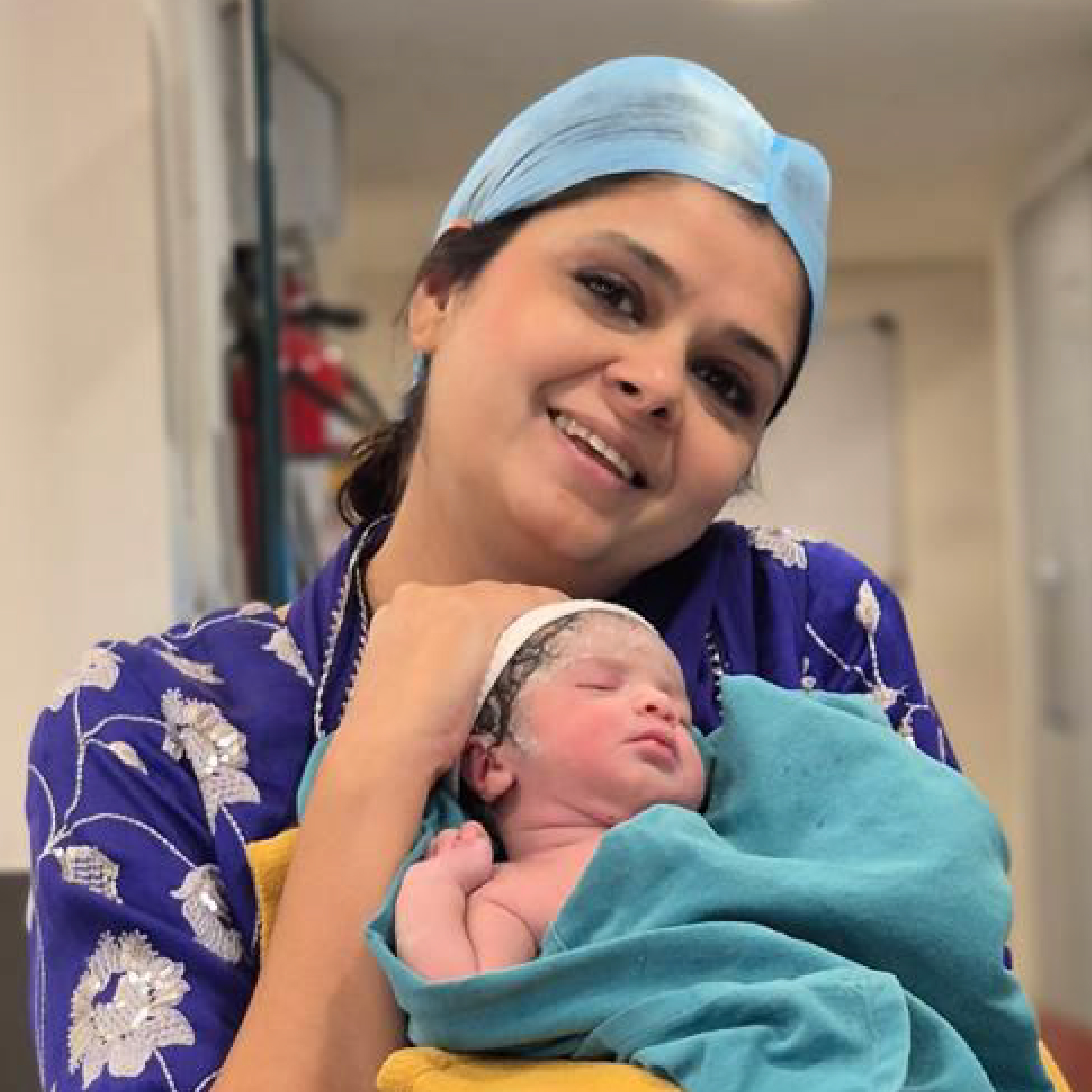
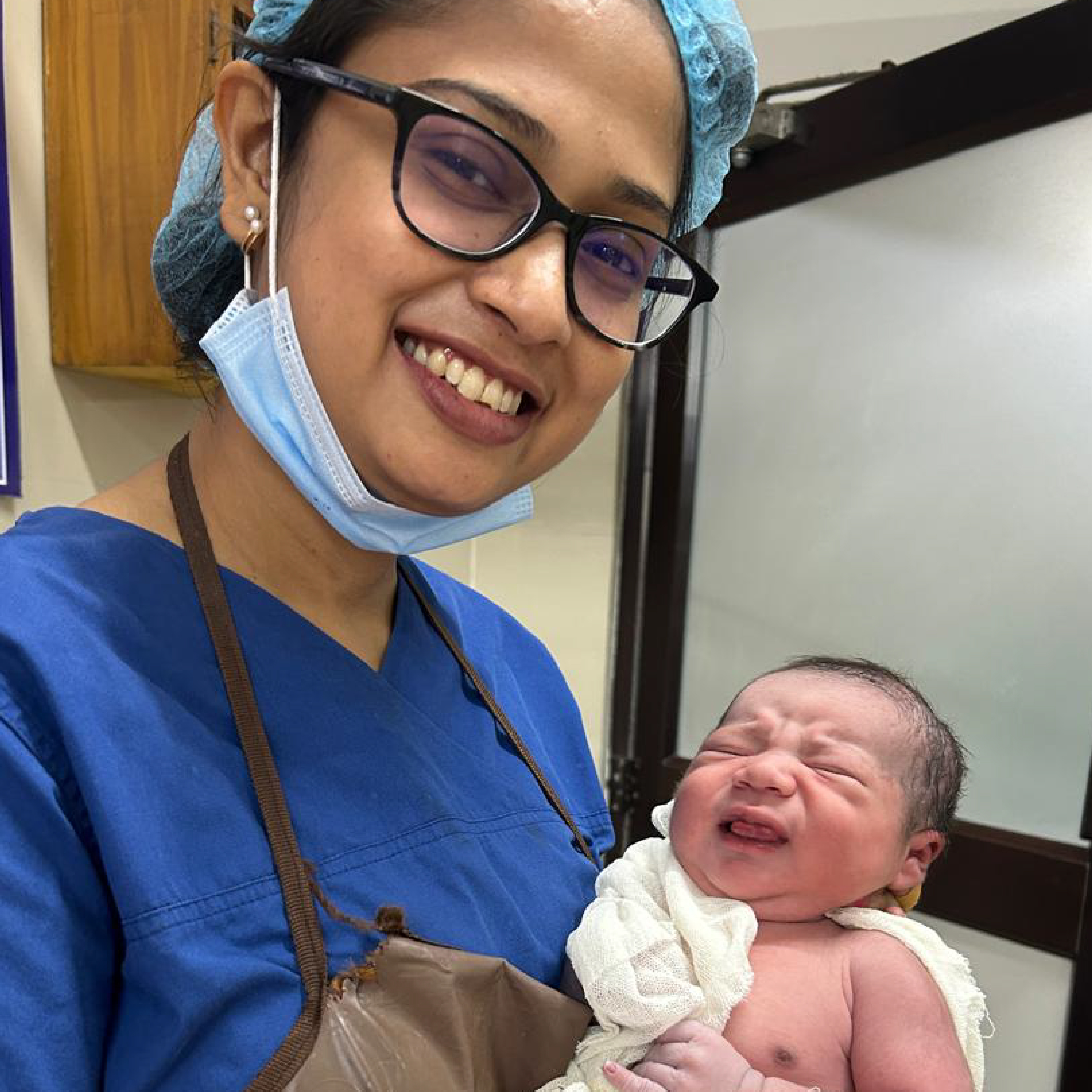
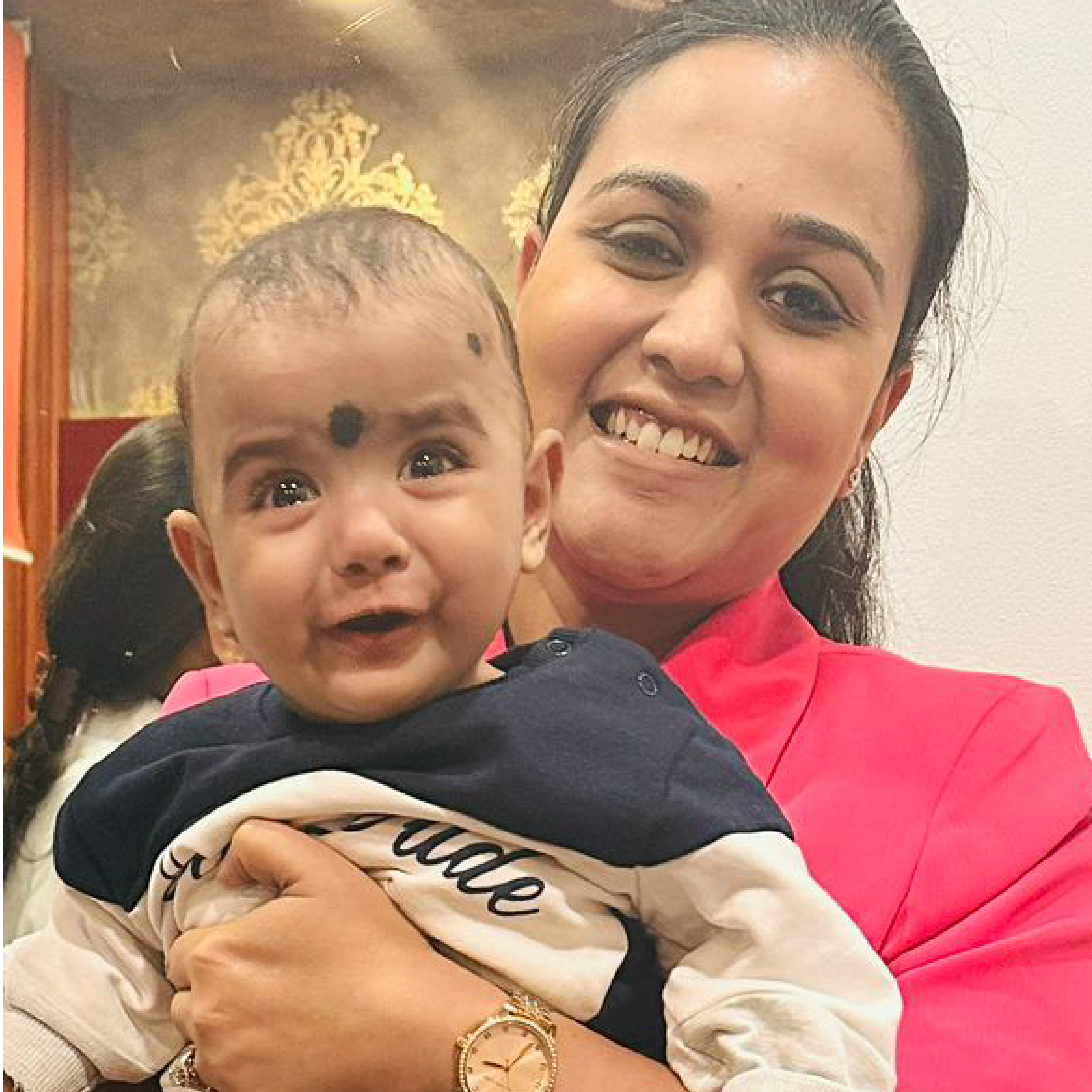
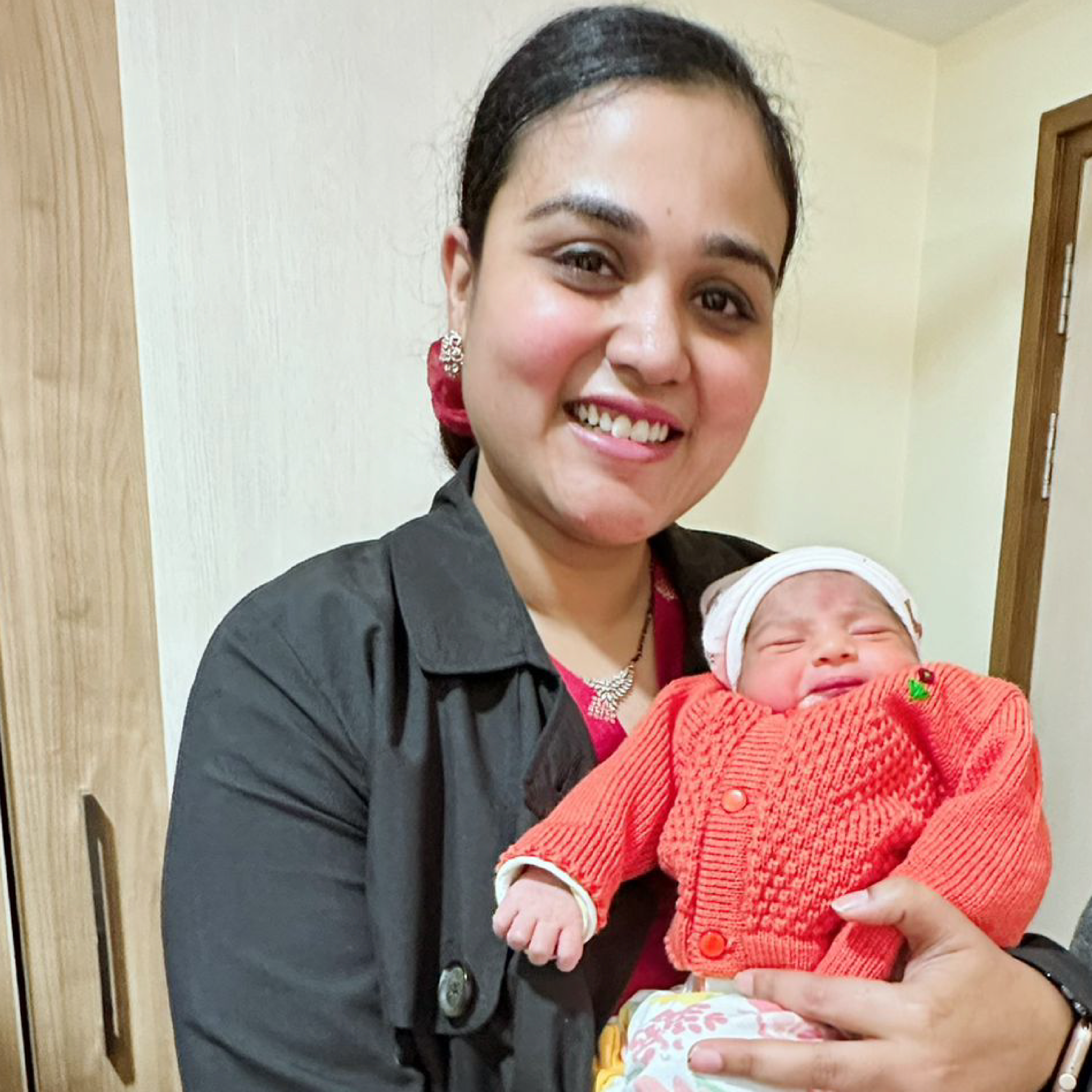
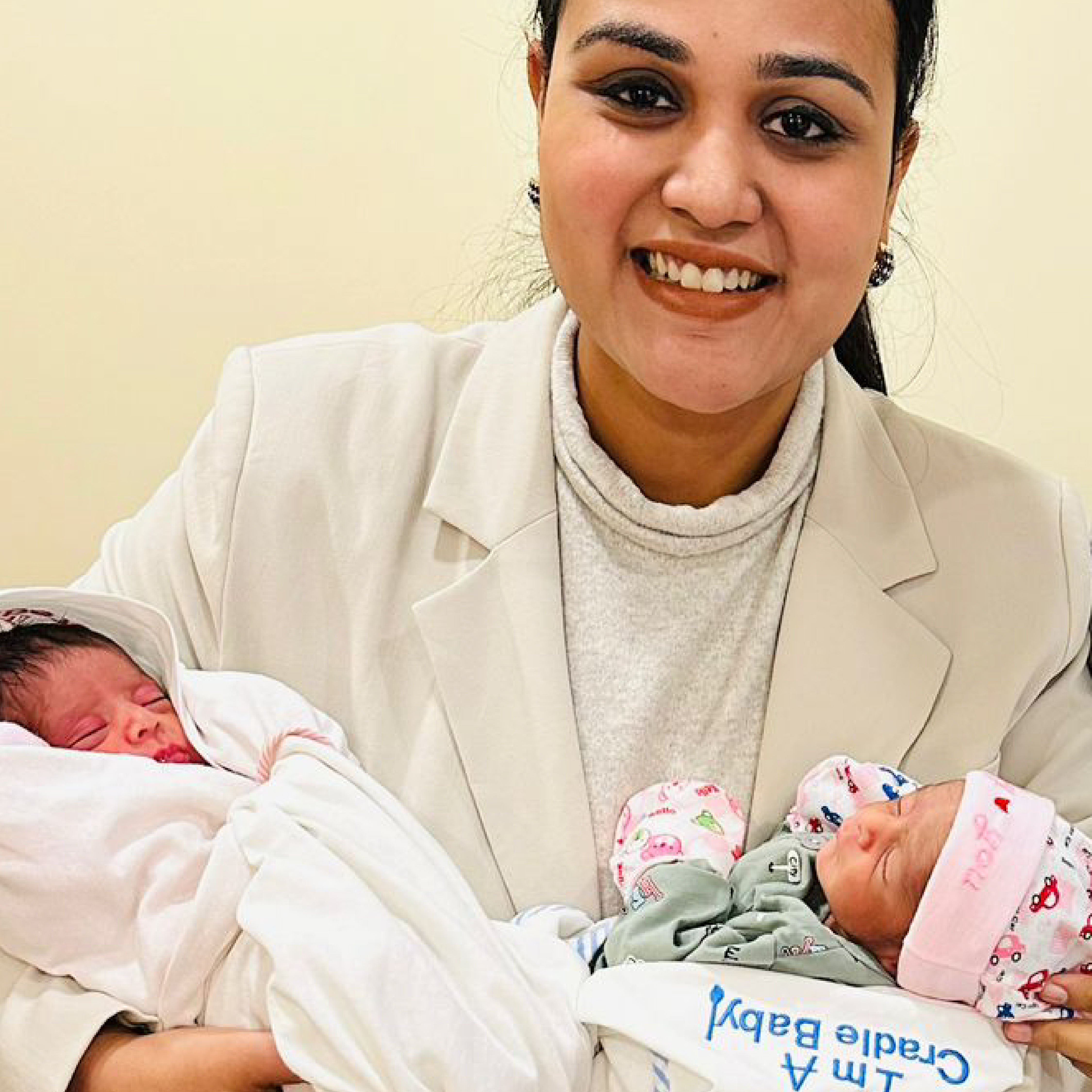
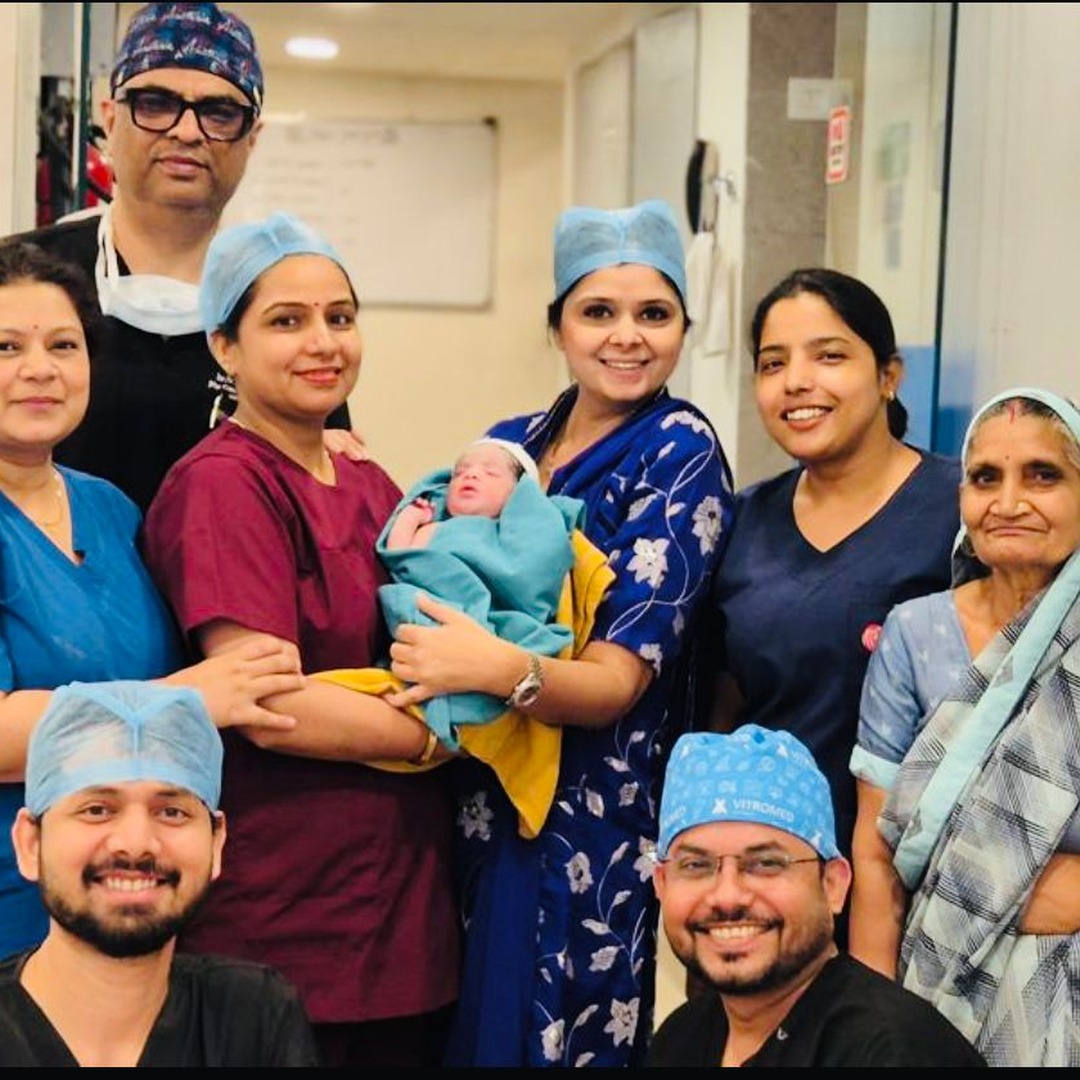
The moments that make it all worth it.


Learn More About IVF
Real explainers from HomeIVF fertility specialists — from injections to embryology, straight talk on every topic couples ask us about.
From our team
Fertility Insights & Expert Advice
Explore the latest articles, expert guidance, and practical resources from the HomeIVF team.
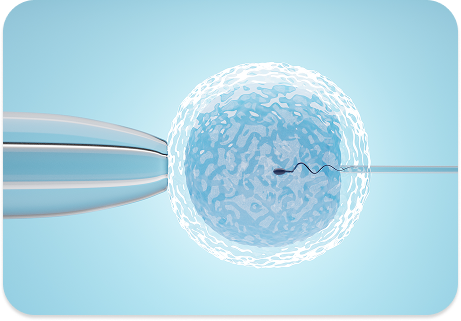
Frozen Embryo Transfer: A Second Chance for Success
What is Frozen Embryo Transfer (FET)? Learn how frozen embryos are used in IVF, preparation steps, success rates, and what to expect after transfer.
Read article
Assess Your Ovarian Reserve, Plan Your Future
Can you conceive with low ovarian reserve? Learn your chances of natural pregnancy, when IVF is recommended, and fertility options to improve success.
Read article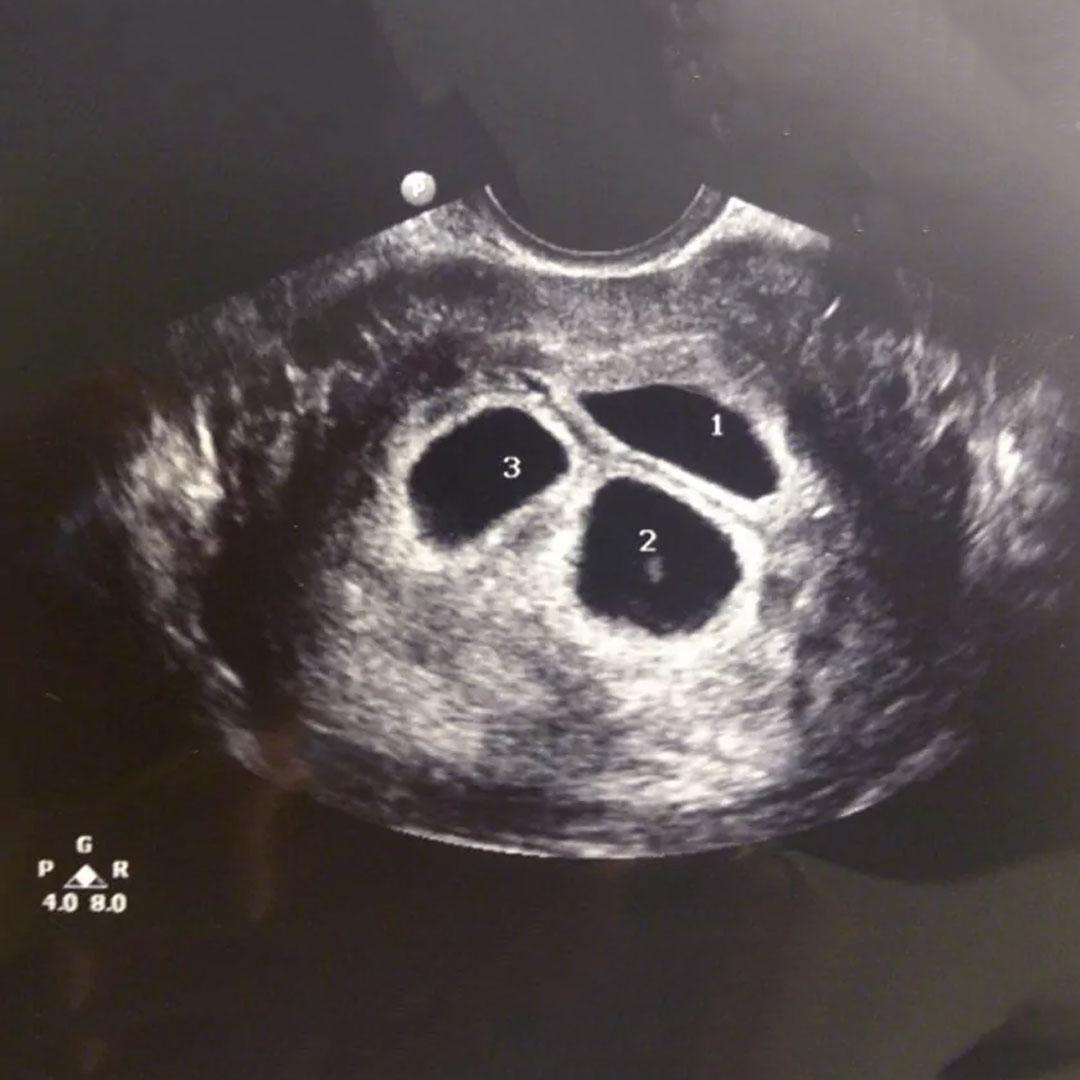
Surgical Sperm Retrieval: Making Parenthood Possible
No sperm in semen? Learn how SSR procedures like PESA, TESA, and TESE help retrieve sperm for IVF and ICSI. Understand process, risks, and success factors.
Read article
IUI: First Step Towards Parenthood
Considering IUI treatment? Learn how intrauterine insemination works, who it's best for, success rates, and what to expect during your fertility journey.
Read articleIVF & ICSI: A Pathway to Parenthood
Learn how ICSI treatment works, when it is recommended, and how it improves fertilization in IVF. Explore the process, benefits, and success factors for couples.
Read article
Everything You Need to Know About Donor Insemination
Considering donor sperm? Learn how donor insemination works, safety checks, and how it helps couples achieve pregnancy with confidence.
Read articleHome is where your baby is meant to begin.
Free consultation with a senior fertility specialist. No pressure, just answers.
Talk to us today