



Uterine Fibroids and Fertility: What You Need to Know
Uterine Fibroids and Fertility: What You Need to Know
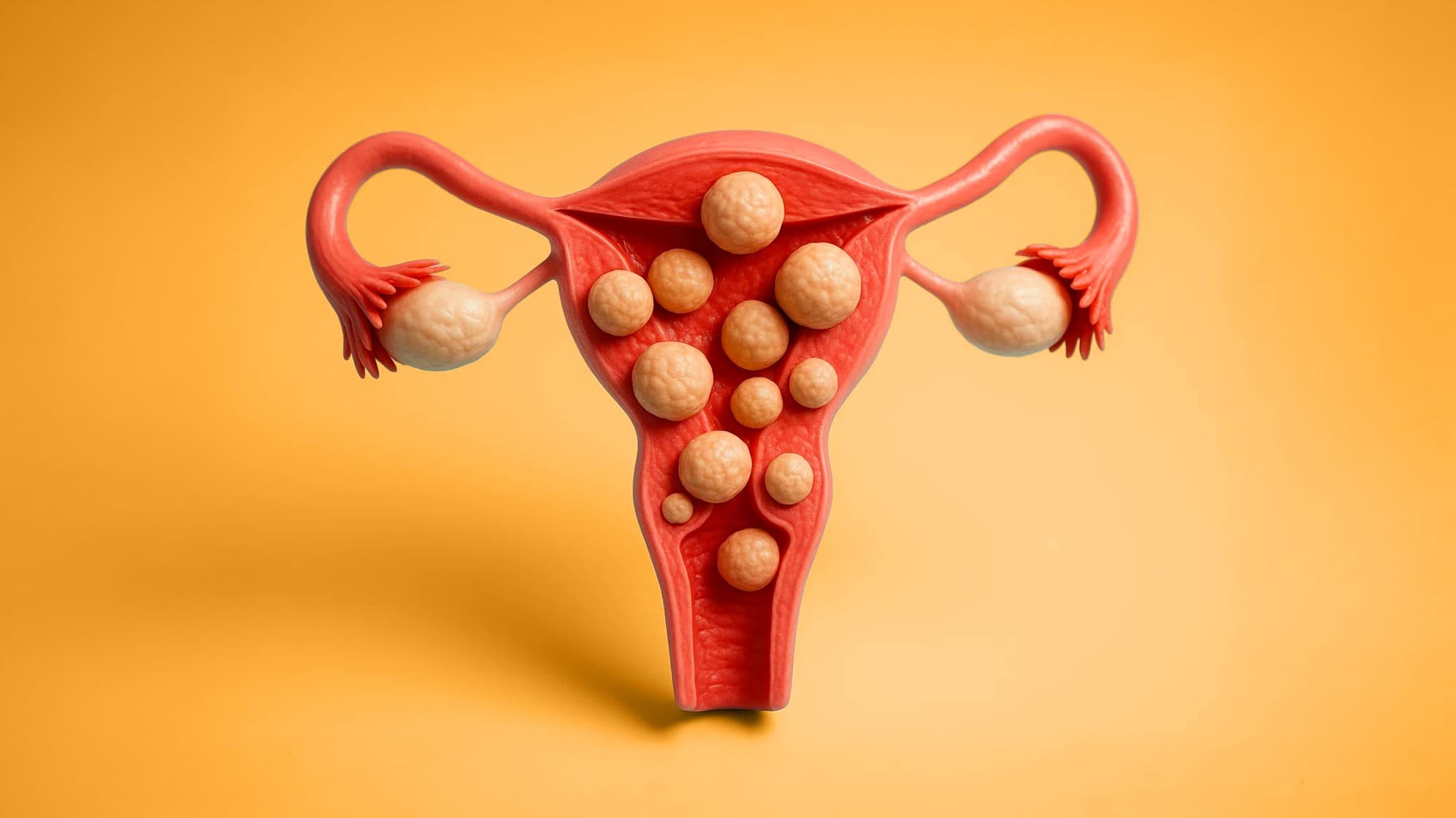
Uterine fibroids are non-cancerous growths inside the womb that may affect implantation and fertility depending on their size and location.
Uterine Fibroids and Fertility: What You Need to Know
A Patient’s Guide
What Are Uterine Fibroids?
Uterine fibroids are non-cancerous growths that develop in or around the womb (uterus). They are made of muscle and fibrous tissue and can vary in size, number, and location.
Fibroids are common, especially in women aged 30 to 50. Many women do not know they have them because they cause no symptoms, while others may experience heavy bleeding, pelvic discomfort, or difficulty conceiving.
Types of Fibroids
- Submucosal - Grow just beneath the uterine lining, inside the cavity. Most likely to affect fertility.
- Intramural - Found in the wall of the womb. Large ones may change the womb’s shape.
- Subserosal - Grow on the outer surface of the womb and usually do not affect fertility unless very large.
- Pedunculated - Attached to the womb by a thin stalk, either inside or outside.
How Fibroids Can Affect Fertility?
Fibroids may make it harder to conceive or carry a pregnancy by:
- Blocking the fallopian tubes so sperm and egg cannot meet.
- Distorting the womb cavity, making embryo implantation more difficult.
- Affecting blood flow to the uterine lining.
- Increasing the risk of miscarriage.
Common Symptoms
Some fibroids cause no symptoms, while others may lead to:
- Heavy or prolonged periods
- Pelvic pain or pressure
- Frequent urination
- Pain during sex
- Difficulty getting pregnant or repeated miscarriages
Do All Fibroids Need Treatment Before Trying for Pregnancy?
No. Small, stable fibroids that do not affect the womb lining may not need removal. Treatment may be advised if fibroids:
- Distort the womb cavity
- Are large or growing quickly
- Cause heavy bleeding or severe pain
- Have led to repeated IVF failures or miscarriages
Treatment Procedures for Fibroids
1. Myomectomy (Fibroid Removal Surgery)
Removes fibroids while preserving the womb. Recommended for women who want to have children.
- Hysteroscopic myomectomy - For fibroids inside the womb cavity, done through the vagina with no skin cuts. Recovery: a few days.
- Laparoscopic myomectomy - Keyhole surgery for fibroids in the wall or outside the womb. Recovery: 2–3 weeks.
- Open abdominal myomectomy - For very large or multiple fibroids. Recovery: 4–6 weeks.
2. Medication
Helps shrink fibroids or control symptoms before surgery or IVF.
- Hormone therapy (such as GnRH analogues) to temporarily reduce fibroid size.
- Medicines to manage heavy bleeding.
3. Uterine Artery Embolisation (UAE)
Blocks the blood supply to fibroids, causing them to shrink. Usually not advised for women planning pregnancy as it can affect womb health.
Lifestyle Do’s and Don’ts
Do’s
- Maintain a healthy weight with a balanced diet.
- Include regular, moderate exercise.
- Manage stress with yoga, meditation, or deep breathing.
- Keep track of your menstrual cycle and symptoms.
- Follow your doctor’s recommendations on treatment and follow-up.
Don’ts
- Ignore heavy or irregular bleeding.
- Delay seeking medical help if trying to conceive without success.
- Self-medicate with hormone-related drugs.
- Skip regular check-ups if you have been diagnosed with fibroids.
Foods to Eat
- Fresh fruits and vegetables, especially leafy greens
- Whole grains such as brown rice, oats, and quinoa
- Legumes and plant-based proteins
- Omega-3-rich foods like salmon, flaxseeds, and walnuts
- Nuts, seeds, and healthy fats like olive oil
Foods to Avoid
- Red and processed meats
- Refined sugar and white flour products
- High-fat dairy
- Fried and processed foods
- Excess caffeine and alcohol
Why Early Diagnosis Matters?
Detecting fibroids early allows more treatment options, better pregnancy planning, and lower risk of complications during pregnancy.
Questions to Ask Your Doctor?
- Will my fibroids affect my fertility?
- Should I have them removed before trying to conceive?
- Which treatment is best for me?
- How will recovery affect my IVF plans?
- How will my progress be monitored?
Home IVF for Women with Fibroids
With Home IVF, most steps of treatment take place at home, making the process less stressful while you manage your fibroid care. Consultations are done over video calls, blood tests and scans are arranged at home, and your progress is monitored remotely by your doctor. Only egg collection and embryo transfer require clinic visits.