



Understanding Thyroid Disorders: What Every Patient Should Know
Understanding Thyroid Disorders: What Every Patient Should Know
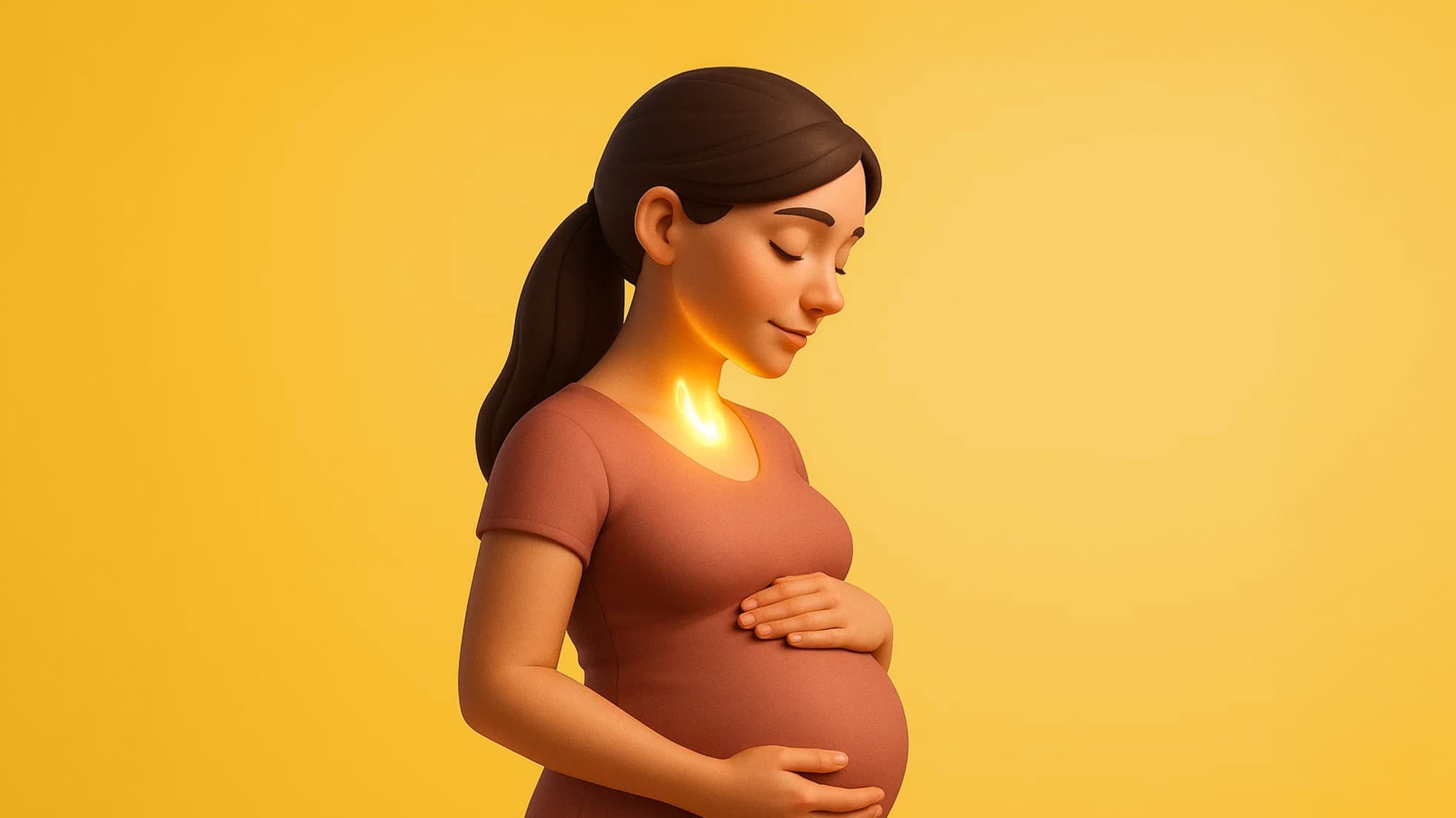
Thyroid health plays a key role in fertility and pregnancy, influencing hormones, conception, and baby development.
Understanding Thyroid Disorders: What Every Patient Should Know
How thyroid health affects fertility and pregnancy
What Are Thyroid Disorders?
Thyroid disorders happen when the thyroid gland does not produce the right amount of hormones.
- Hypothyroidism: Too little hormone
- Hyperthyroidism: Too much hormone
These hormones affect weight, energy, mood, fertility, and pregnancy.
Symptoms of Thyroid Disorders
Weight gain or weight loss without clear reason
- Fatigue or weakness
- Irregular or heavy periods
- Hair loss or dry skin
- Mood swings, anxiety, or depression
- Difficulty conceiving or repeated miscarriages
Thyroid Disorders in Pregnancy
If untreated, thyroid problems can:
- Increase risk of miscarriage
- Cause preterm birth or low birth weight
- Affect the baby’s growth and brain development
- Lead to high blood pressure (preeclampsia)
With the right care, women with thyroid disorders can still have safe and healthy pregnancies.
Causes of Thyroid Disorders
- Autoimmune diseases like Hashimoto’s or Graves’
- Iodine deficiency
- Family history of thyroid disease
- Thyroid surgery or past treatment
Diagnosis
- Blood tests: TSH, T3, T4, antibodies
- Ultrasound: To check thyroid size and structure
- Routine screening: Especially important when planning pregnancy
Do’s and Don’ts
Do’s
- Take medicines regularly
- Eat iodine and selenium-rich foods
- Maintain a healthy weight
- Sleep well and manage stress
Don’ts
- Don’t skip medicines or tests
- Don’t overconsume junk or soy-heavy foods
- Limit smoking and alcohol
Foods to Eat and Avoid
Eat
- Fresh fruits, vegetables, lean proteins
- Iodine-rich foods like fish and dairy
- Selenium-rich foods like eggs and nuts
Avoid (Excessive)
- Processed and fried food
- Too much caffeine or alcohol
- Sugary, high-fat foods
FAQs
Q. Can thyroid cause infertility?
A. Yes. Both underactive and overactive thyroid can make it harder to conceive.
Q. Can I get pregnant with thyroid disorder?
A. Yes. With proper treatment and monitoring, most women achieve safe pregnancies.
Q. Do thyroid medicines harm the baby?
A. No. They are safe and protect your baby’s growth.
Why HomeIVF?
With HomeIVF, fertility care becomes simpler and closer to you.
- Consultations and follow-ups from the comfort of home
- Medicines delivered to your doorstep
- Tests and monitoring arranged nearby
- Only essential IVF steps done in the clinic
For couples facing thyroid-related infertility, HomeIVF ensures you receive the right treatment and continuous support without the stress of repeated clinic visits.
HomeIVF brings expert care home, so you can focus on what matters most, your dream of parenthood.