



PCOS and Fertility: Understanding the Condition and How Home IVF
PCOS and Fertility: Understanding the Condition and How Home IVF
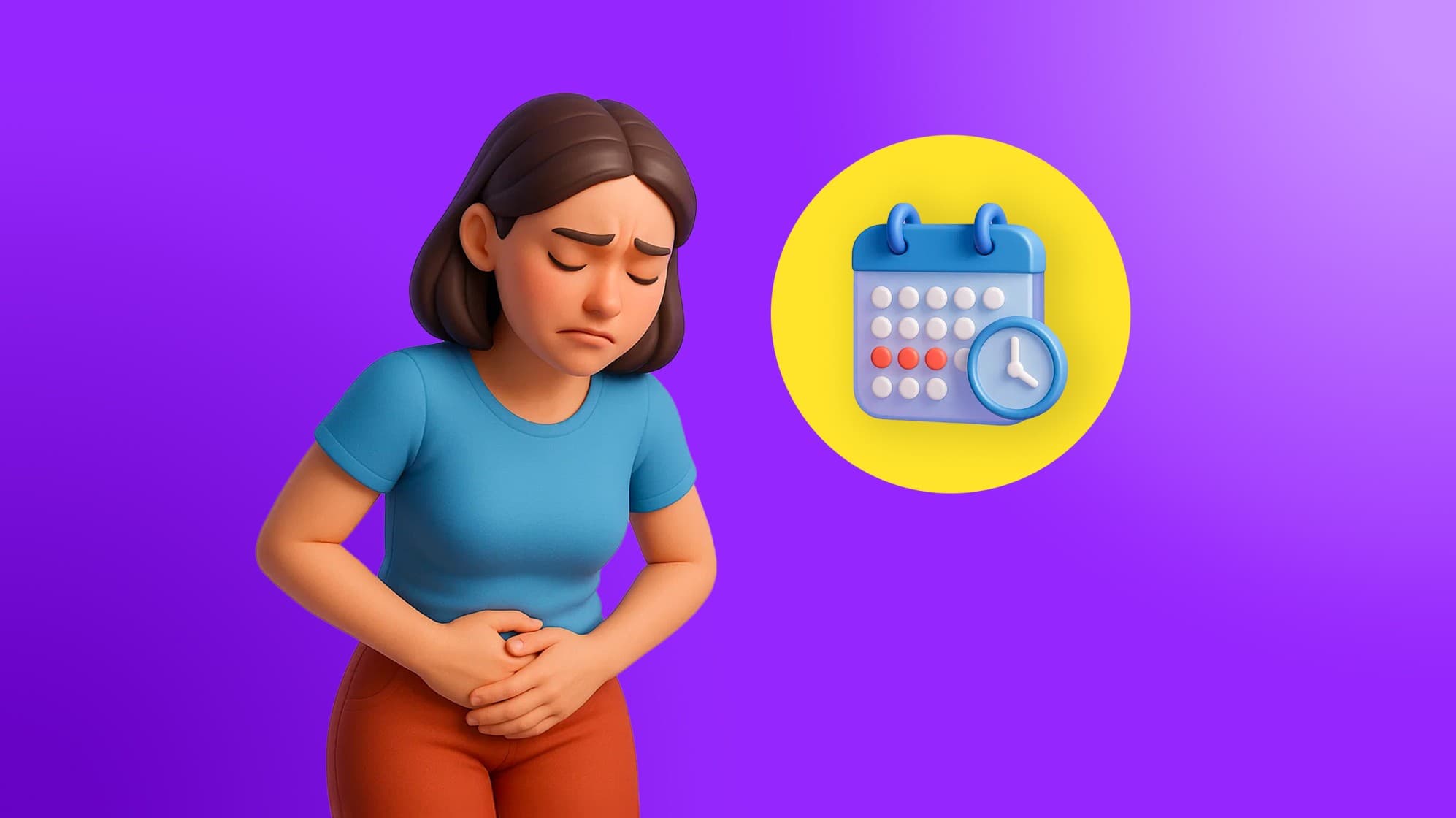
Illustration of a woman with abdominal pain and a calendar icon representing irregular periods due to PCOS
PCOS and Fertility: Understanding the Condition and How Home IVF Can Help
A Patient’s Guide
What is PCOS?
Polycystic Ovary Syndrome (PCOS) is a hormonal condition that affects how the ovaries work and is one of the most common causes of infertility in women. It occurs when the ovaries produce higher-than-normal amounts of androgens (male hormones), which can interfere with ovulation. This can lead to irregular or absent menstrual cycles, multiple small cysts on the ovaries, and difficulty conceiving.
While PCOS can feel overwhelming, it is a manageable condition, and many women go on to have healthy pregnancies with timely treatment and lifestyle support.
How PCOS Affects Fertility?
PCOS can make it harder to get pregnant naturally due to:
- Irregular ovulation or no ovulation, reducing chances for egg and sperm to meet.
- Hormonal imbalances affecting egg quality.
- Insulin resistance that impacts reproductive hormones.
- Changes in the uterine lining, making embryo implantation more difficult.
Common Symptoms
Not all women with PCOS have the same symptoms, but common ones include:
- Irregular or missed periods
- Difficulty conceiving
- Unwanted facial or body hair growth
- Acne and oily skin
- Weight gain or difficulty losing weight
- Thinning hair on the scalp
Types of PCOS
- Insulin-Resistant PCOS - Caused by high insulin levels, often linked to weight gain and metabolic issues.
- Post-Pill PCOS - Temporary hormonal imbalance after stopping birth control pills.
- Inflammatory PCOS - Linked to ongoing inflammation in the body.
- Adrenal PCOS - Caused by excess stress hormones.
Do’s and Don’ts for PCOS Management
Do’s
- Follow a balanced, low-glycemic diet rich in vegetables, lean proteins, and whole grains.
- Engage in regular physical activity to improve insulin sensitivity.
- Maintain a healthy weight to support hormonal balance.
- Keep stress levels in check through yoga, meditation, or breathing exercises.
- Get regular check-ups and follow your doctor’s advice.
Don’ts
- Skip meals or follow extreme fad diets.
- Consume excessive refined sugar or processed carbs.
- Ignore weight gain or irregular cycles.
- Delay medical consultation if planning pregnancy.
Foods to Eat
- Leafy greens (spinach, kale, broccoli)
- Lean proteins (chicken, fish, eggs, tofu)
- Low-GI fruits (berries, apples, pears)
- Nuts and seeds
- Healthy fats (avocado, olive oil)
Foods to Avoid
- Sugary snacks and drinks
- White bread, pasta, and rice
- Fried and processed foods
- Excess caffeine
- Trans fats
Treatment Options for PCOS and Infertility
- Lifestyle changes - Healthy diet, exercise, and weight management can restore ovulation in some women.
- Ovulation induction medicines - Such as letrozole or clomiphene to stimulate egg release.
- Metformin - Improves insulin sensitivity and may help restore regular cycles.
- Laparoscopic ovarian drilling - A minor surgery to trigger ovulation when medicines are not effective.
- IVF - Highly effective when other treatments do not result in pregnancy.
Home IVF for Women with PCOS
Home IVF offers flexibility and comfort for women with PCOS by allowing most treatment steps to happen at home or nearby. Consultations are done through video calls, blood tests and scans are arranged at home, and medicines are delivered to your door. Your progress is monitored remotely by your doctor, and only egg collection and embryo transfer require clinic visits.
FAQs
Can women with PCOS get pregnant naturally?
Yes. Many women conceive naturally with lifestyle changes and medication.
Is IVF the only option for PCOS?
No, but it is one of the most effective options if ovulation medicines and other treatments are not successful.
Does PCOS affect pregnancy health?
It can increase the risk of complications like gestational diabetes, so regular monitoring is important.
Can losing weight help?
Yes. Even a 5-10 percent weight loss can improve ovulation and fertility.
How successful is IVF in PCOS?
Success rates are often higher than average, as women with PCOS tend to have a good number of eggs, though quality must be carefully monitored.