



Ovarian Cysts: Causes, Symptoms & Impact on Fertility
Ovarian Cysts: Causes, Symptoms & Impact on Fertility
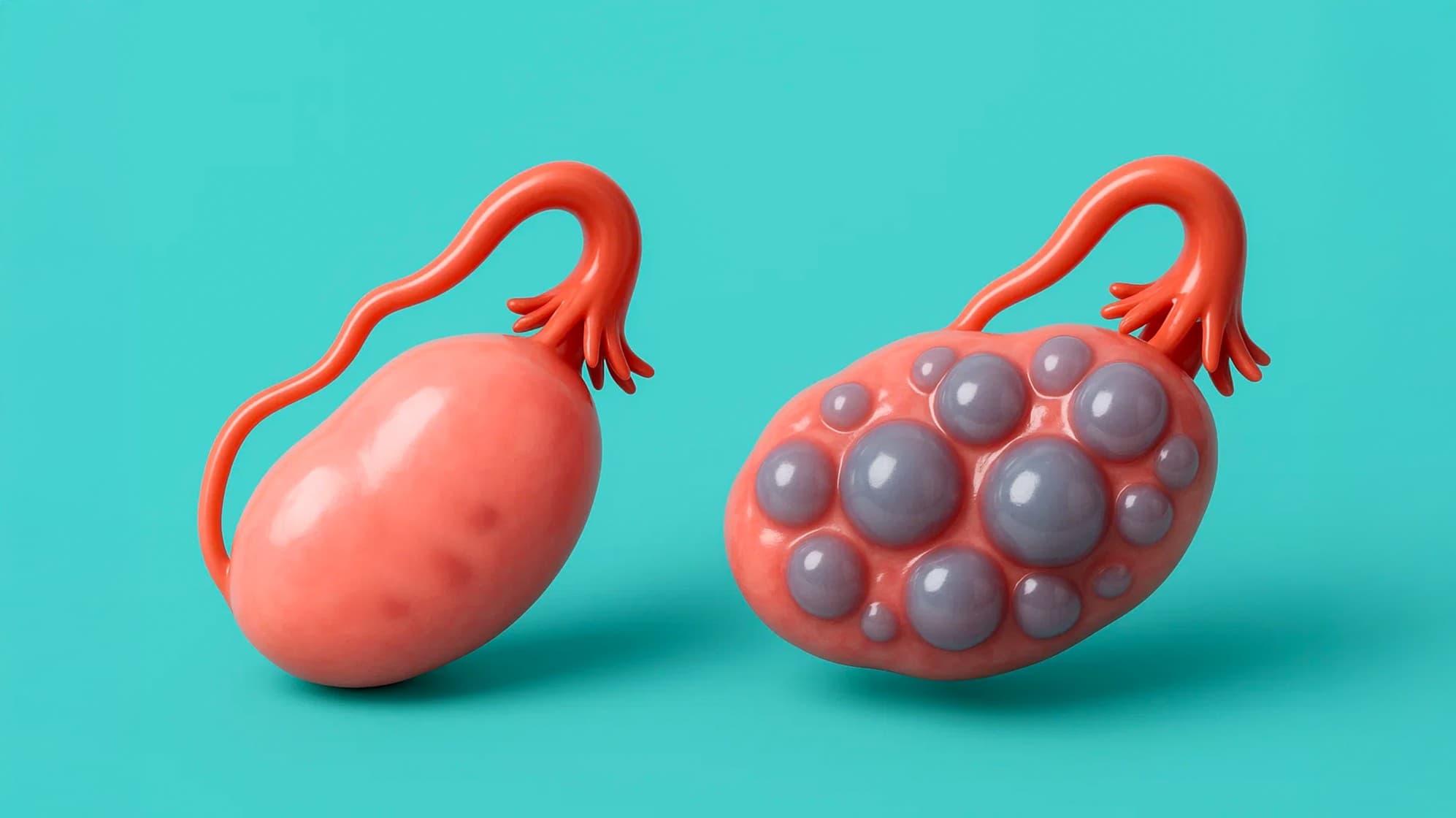
3D medical illustration showing normal ovary and ovary with multiple ovarian cysts highlighting fluid-filled sacs and polycystic appearance affecting female reproductive health
Understanding Ovarian Cysts: A Guide for Women
What is an Ovarian Cyst?
An ovarian cyst is a fluid-filled sac that develops on or inside the ovary. Most ovarian cysts are harmless and disappear naturally. However, some can cause pain, complications, or require treatment. Knowing about ovarian cyst symptoms, causes, and treatment options helps women make informed decisions about their health.
Ovarian Cyst Symptoms
Many women with ovarian cysts have no symptoms at all. When symptoms occur, they may include:
- Lower abdominal or pelvic pain (sharp or dull)
- Bloating or heaviness in the abdomen
- Pain during intercourse
- Sudden severe pain (in case of a ruptured ovarian cyst or ovarian torsion)
Ovarian Cyst Causes
Ovarian cysts can form for different reasons:
- Functional ovarian cysts - Follicular or corpus luteum cysts, part of the normal menstrual cycle.
- Hormonal changes - Sometimes linked to fertility treatment.
- Pregnancy - Certain cysts form early in pregnancy.
- Endometriosis ovarian cysts - Also known as chocolate cysts.
- Pelvic infection - Severe infections may spread to the ovaries.
- Cell growth abnormalities - Such as dermoid cysts or cystadenomas.
Types of Ovarian Cysts
- Functional ovarian cysts (most common, usually resolve on their own)
- Simple ovarian cysts (fluid-filled, usually harmless)
- Hemorrhagic ovarian cysts (contain blood, can cause pain)
- Complex ovarian cysts (may require monitoring or surgery)
- Dermoid cysts (contain skin, hair, or tissue)
- Endometriosis ovarian cysts
- Para ovarian cysts
- Polycystic ovaries (seen in PCOS, linked with hormonal imbalance)
Diagnosis of Ovarian Cysts
Doctors may diagnose cysts during a pelvic exam or through imaging tests:
- Ovarian cyst ultrasound (abdominal or transvaginal)
- Blood tests (such as CA-125 to rule out ovarian cancer)
- MRI or CT scan (in selected cases)
Ovarian Cyst Treatment
Treatment depends on the type, size, symptoms, and age:
- Observation - Many small cysts resolve on their own.
- Medication - Pain relief or hormonal treatment in some cases.
- Ovarian cyst surgery - Recommended for large, persistent, or complex cysts.
- Ovarian cyst laparoscopy (keyhole surgery, most common).
- Open surgery (for larger or suspicious cysts).
Complications of Ovarian Cysts
- Ovarian cyst rupture - May cause sudden severe pain and internal bleeding.
- Ovarian torsion - Large cysts can twist the ovary, cutting off blood supply.
- Fertility impact - While most cysts don’t affect fertility, some like endometriomas or repeated surgeries can reduce ovarian reserve.
Ovarian Cysts and Fertility
- Functional and simple cysts usually do not affect fertility.
- Endometriosis ovarian cysts may reduce fertility.
- Large dermoid cysts or bilateral ovarian cysts may require surgery that can affect ovarian function.
- Women with polycystic ovarian syndrome (PCOS) may face fertility challenges due to hormonal imbalance.
Frequently Asked Questions
Q. Is ovarian cyst dangerous?
A. Most are not, but complex or persistent ones should be monitored.
Q. What size of ovarian cyst is dangerous?
A. Cysts larger than 5–6 cm may require closer observation or surgery.
Q. Can ovarian cyst cause infertility?
A. Some cysts, especially endometriomas or repeated complex cysts, may affect fertility.
Q. Can ovarian cyst affect pregnancy?
A. Most ovarian cysts during pregnancy are harmless, but large cysts may need removal.
Q. What happens when an ovarian cyst ruptures?
A. It can cause sudden, severe abdominal pain. Immediate medical care is needed.
Takeaway
Ovarian cysts are common and often harmless. However, some may cause pain, complications, or fertility issues. Regular checkups, awareness of ovarian cyst symptoms, and timely treatment help ensure better reproductive health.
HomeIVF for Couples Facing Ovarian Health Challenges
HomeIVF makes fertility treatment more convenient and less stressful. Consultations, follow-up appointments, and diagnostic tests are arranged at home or nearby. Medicines are delivered to your doorstep, and doctors track your progress through virtual check-ins. Only essential procedures, like egg retrieval or embryo transfer, require a short clinic visit.
HomeIVF brings advanced fertility care closer to you, supporting couples facing ovarian cyst-related fertility concerns with confidence, comfort, and hope.
Reference: Patient.info - Ovarian Cyst Guide