



Low AMH and Fertility: What You Should Know (Test)
Low AMH and Fertility: What You Should Know (Test)
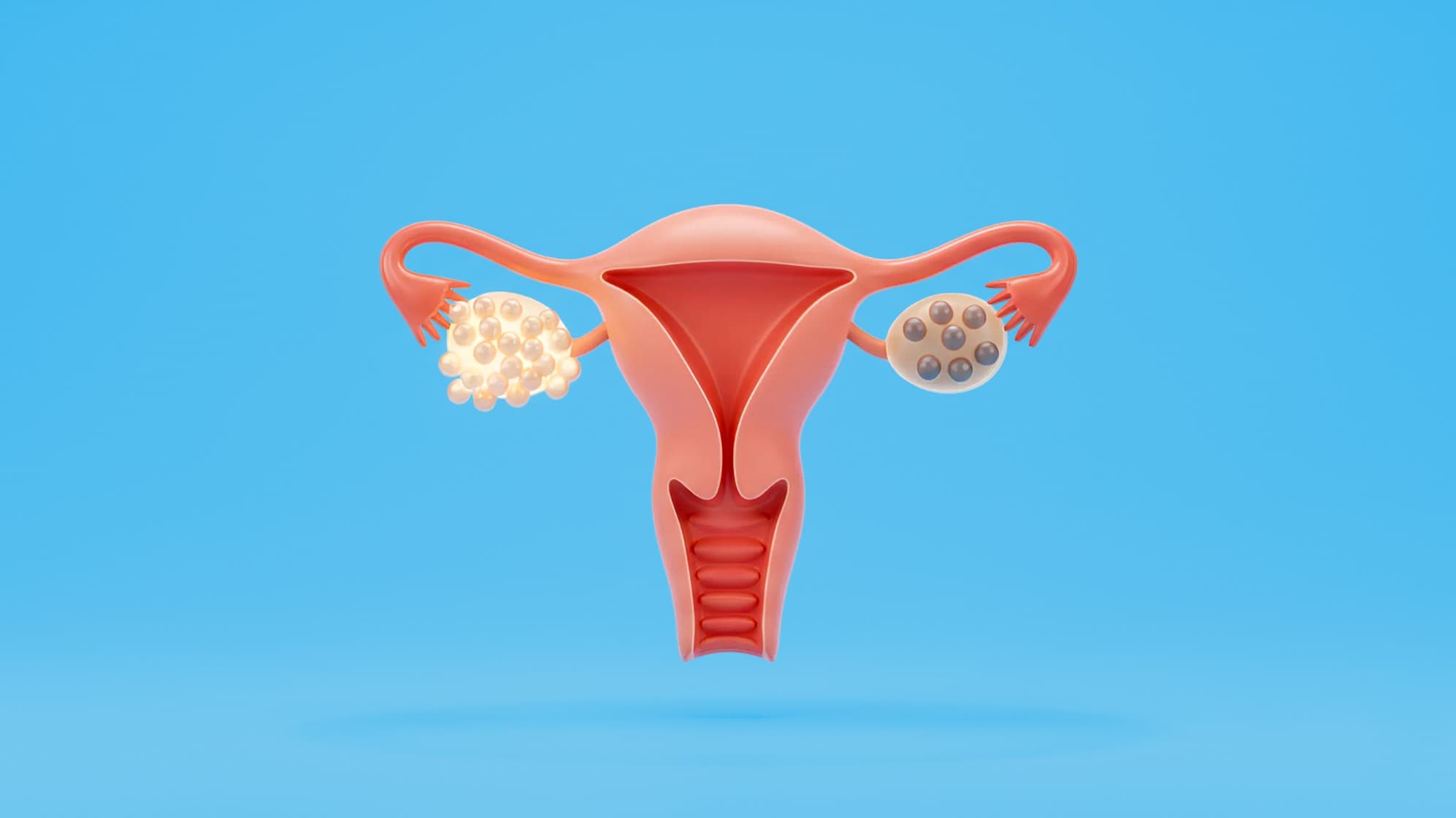
Female reproductive system illustration showing ovaries with reduced egg count and fewer visible follicles, representing low AMH and diminished ovarian reserve
Low AMH and Fertility: What You Should Know
A Patient’s Guide
What Is AMH and Why Does It Matters?
AMH (Anti-Müllerian Hormone) is a substance made by small follicles in the ovaries. It helps doctors estimate your ovarian reserve, which is the number of eggs you still have.
Every woman is born with all the eggs she will ever have. Over time, the number naturally declines, and this process speeds up after age 35. A low AMH result often means fewer eggs than average for your age, but it does not always mean the eggs are of poor quality. Many women with low AMH conceive successfully, especially with timely treatment.
How Low AMH Can Affect Fertility?
- Fewer eggs per cycle make natural conception less likely.
- Lower response to fertility medicines may reduce the number of eggs retrieved in IVF.
- Fewer embryos available for transfer or freezing
- Common Causes of Low AMH
- Advancing age, especially after 35
- Family history of early menopause
- Previous ovarian surgery
- Chemotherapy or radiation treatment for cancer
- Certain autoimmune conditions
- Unexplained reasons
- Signs and Symptoms
Low AMH usually has no obvious symptoms. It is most often discovered during fertility testing. Some women may notice shorter menstrual cycles or signs of reduced ovarian function, but many have normal cycles.
Do All Women with Low AMH Need IVF?
Not always. For some women, natural conception is still possible. However, because ovarian reserve declines over time, fertility treatments like IVF are often recommended to make the best use of the remaining eggs.
Treatment Options
1. IVF (In Vitro Fertilization)
Uses personalized stimulation protocols to encourage the ovaries to produce as many eggs as possible. Eggs are fertilized in the lab, allowing careful selection of healthy embryos. If multiple embryos develop, some can be frozen for future use.
2. Mild Stimulation IVF or Natural Cycle IVF
Uses lower doses of fertility medication or no medication, which can be suitable for women with very low ovarian reserve.
3. Egg Freezing
For women who are not yet ready for pregnancy but have been diagnosed with low AMH.
4. Donor Eggs
An option if the ovarian reserve is very low or egg quality is poor, and previous treatments have been unsuccessful.
Lifestyle Do’s and Don’ts
Do’s
- Get a fertility assessment early if you have risk factors.
- Follow a balanced, nutrient-rich diet.
- Exercise moderately to maintain a healthy weight.
- Manage stress with relaxation techniques.
- Follow your doctor’s advice closely during treatment.
Don’ts
- Delay seeking fertility advice after diagnosis.
- Smoke or use tobacco products.
- Over-exercise or follow extreme diets.
- Self-medicate with supplements without medical guidance.
Foods to Eat
- Fresh fruits and vegetables, especially those rich in antioxidants such as berries, leafy greens, and bell peppers
- Lean proteins like fish, eggs, and legumes
- Healthy fats from nuts, seeds, avocados, and olive oil
- Whole grains such as oats, quinoa, and brown rice
- Omega-3-rich foods like salmon, walnuts, and flaxseeds
- Foods to Avoid
- Processed and fried foods
- Sugary snacks and refined carbohydrates
- Excess caffeine
- Alcohol
- High-trans-fat and hydrogenated oils
Why Early Action Matters
Ovarian reserve continues to decline with time, and egg quality also changes. Acting quickly can improve treatment success rates and help you plan your fertility journey with more options available.
Questions to Ask Your Doctor?
- How low is my AMH compared to my age group
- Should I start treatment immediately
- Which IVF protocol would work best for me
- Can I consider egg freezing
- How will my progress be monitored
Home IVF for Women with Low AMH?
Home IVF makes the fertility process more comfortable and time-efficient, especially when quick action is important. Consultations are held over video calls, and tests and scans are arranged at home or nearby. Medicines are delivered to your door, and your doctor monitors your progress remotely. Only egg collection and embryo transfer require a short visit to the clinic.