



Irregular Periods and Fertility
Irregular Periods and Fertility
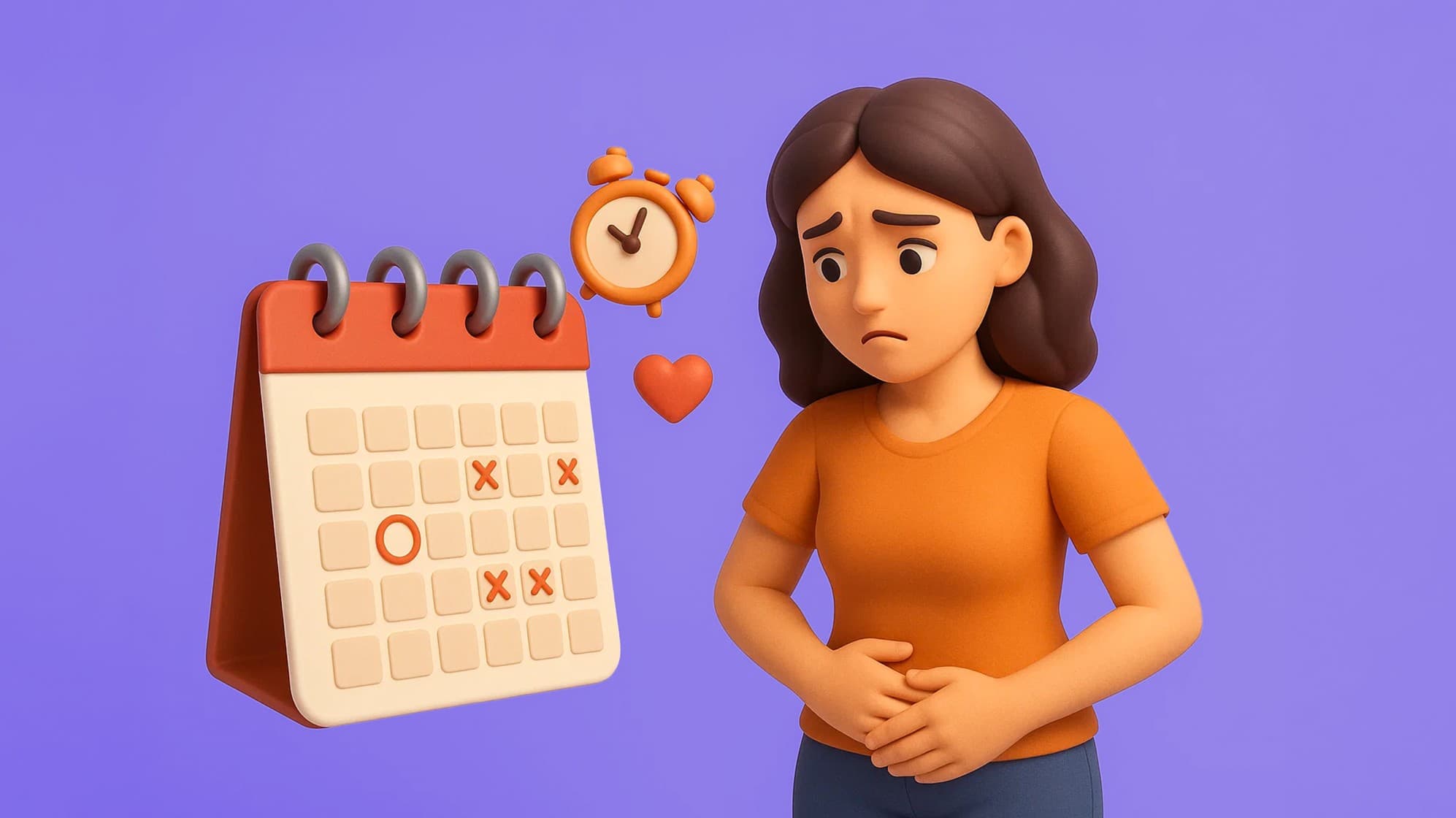
Woman experiencing abdominal discomfort with calendar and clock icons representing irregular menstrual cycles and missed periods.
Understanding Irregular Periods: A Patient’s Guide
Menstrual health plays a vital role in fertility and overall well-being. Many women experience irregular periods at some stage of life, and while it may be common, it should not be ignored, especially if it affects daily life, fertility, or overall health.
What Are Irregular Periods?
Irregular periods mean that your menstrual cycle does not follow a consistent pattern. A typical cycle ranges from 21 to 35 days. If your cycle is shorter, longer, or unpredictable, it may be a sign of an underlying condition.
Symptoms of Irregular Periods
Women with irregular periods may notice:
- Periods that come too early or too late
- Missed periods for several months
- Heavier or lighter bleeding than usual
- Painful periods
- Spotting between cycles
Causes of Irregular Periods
There are many possible causes of irregular periods, including:
- Hormonal changes (puberty, perimenopause, thyroid imbalance)
- Polycystic ovary syndrome (PCOS)
- Stress or lifestyle factors
- Excessive exercise or sudden weight changes
- Medical conditions such as diabetes, eating disorders, or uterine abnormalities
- Pregnancy or breastfeeding
Effects of Irregular Periods on the Body
Irregular cycles can lead to:
- Difficulty predicting ovulation
- Problems with fertility
- Anemia from heavy bleeding
- Emotional distress and anxiety
Irregular Periods and Fertility
Many women ask, can irregular periods cause infertility? The answer depends on the underlying cause. In conditions like PCOS or hormonal imbalance, ovulation may not happen regularly, making it harder to conceive. However, with treatment, many women go on to have healthy pregnancies.
Diagnosis of Irregular Periods
Doctors may recommend:
- Medical history and physical exam
- Blood tests for hormones, thyroid function, or anemia
- Pelvic ultrasound to check for PCOS or uterine conditions
- Ovulation tracking using tests or apps
Treatment for Irregular Periods
Treatment depends on the cause and may include:
- Lifestyle changes (balanced diet, stress management, healthy weight)
- Medication (hormonal therapy, tablets for irregular periods, or treatment for thyroid/PCOS)
- Surgical options in rare cases where structural problems are present
Home Remedies and Self-Care
While medical advice is essential, some self-care tips can help manage irregular cycles:
- Maintain a healthy diet rich in fruits, vegetables, and whole grains
- Avoid excessive caffeine and alcohol
- Practice yoga or light exercise to balance hormones
- Manage stress through meditation or breathing exercises
- Keep a period diary to track your cycle
When to See a Doctor
Consult a fertility or gynecology specialist if you have:
- Missed periods for more than three months (and you are not pregnant)
- Heavy bleeding that soaks through pads in less than two hours
- Severe pain during periods
- Irregular periods with infertility concerns
FAQs on Irregular Periods
Q. Why do irregular periods happen?
A. They may be due to hormonal imbalance, PCOS, thyroid issues, stress, or lifestyle factors.
Q. Are irregular periods normal?
A. Occasional irregular cycles are common, but frequent irregularity should be evaluated by a doctor.
Q. Can I get pregnant with irregular periods?
A. Yes, but it may be more challenging. Treatment for underlying causes improves chances of conception.
Q. How to treat irregular periods naturally?
A. Healthy weight, balanced nutrition, yoga, and stress reduction can support hormonal balance.
Q. What are the side effects of irregular periods?
A. They may cause infertility, anemia, fatigue, and emotional stress.
Food to Eat and Avoid
Foods to Eat
- Fresh fruits (papaya, pineapple, berries)
- Vegetables (leafy greens, carrots, beets)
- Nuts and seeds (flaxseed, pumpkin seeds)
- Whole grains (brown rice, oats)
- Herbal teas (ginger, cinnamon)
Foods to Avoid
- Processed foods with high sugar and preservatives
- Excess caffeine and alcohol
- Deep-fried and oily foods
- Excess red meat
HomeIVF for Women Facing Irregular Periods
HomeIVF makes fertility treatment more convenient and less overwhelming. Most parts of the process; consultations, follow-ups, and diagnostic tests are arranged at home or nearby. Medicines are delivered to your doorstep, and your doctor monitors your progress through virtual check-ins. Only essential procedures, such as egg retrieval and embryo transfer, require a short clinic visit.
HomeIVF brings advanced fertility care closer to you, helping women with irregular periods take confident steps toward better reproductive health and the hope of parenthood.
Reference
Content adapted from: Irregular Periods - Fact Sheet