



Zero Sperm Count? Here’s What You Need to Know
Zero Sperm Count? Here’s What You Need to Know
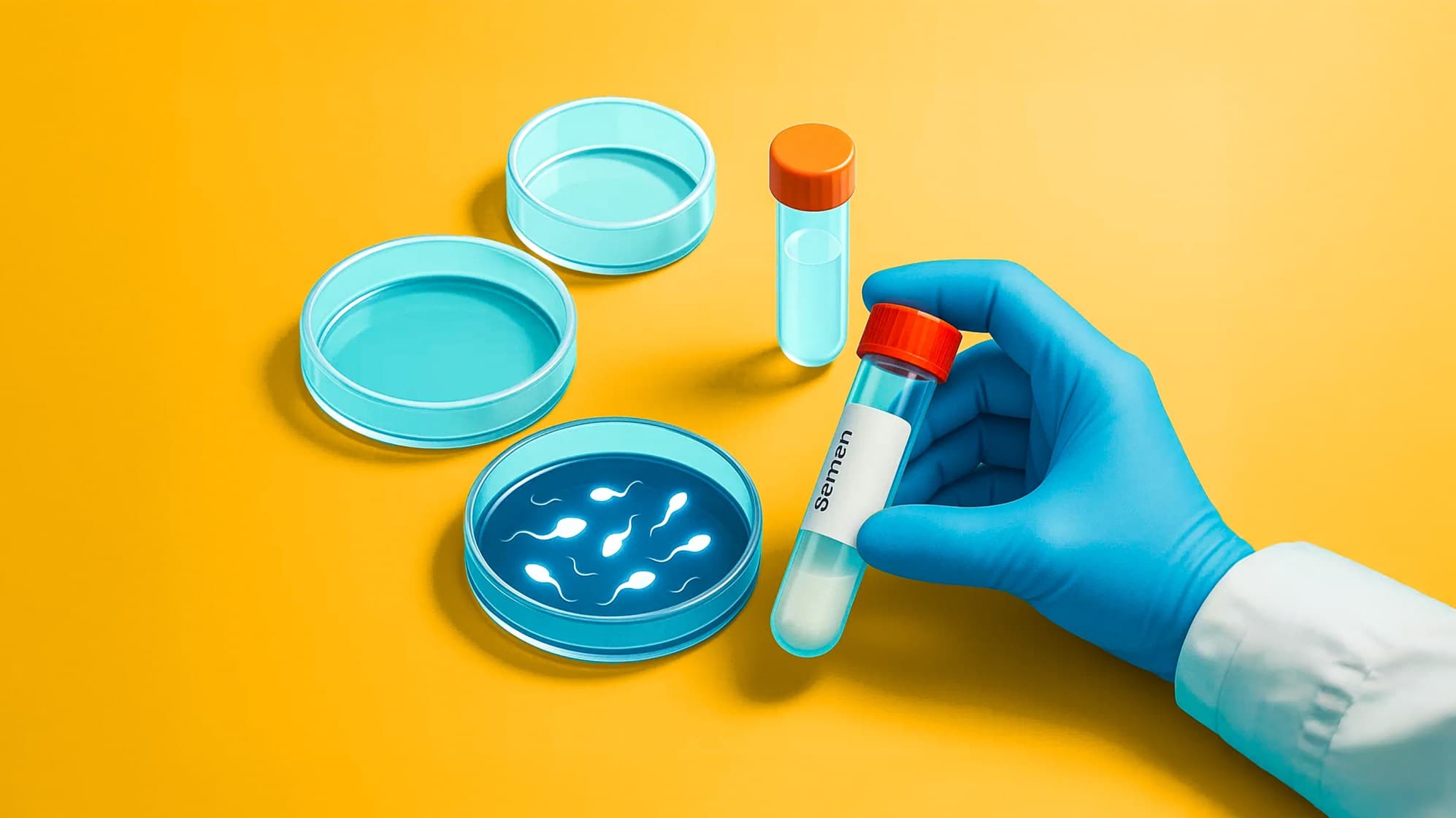
Illustration of a lab technician holding a semen sample with petri dishes showing sperm, representing testing and diagnosis of azoospermia in male infertility
Understanding Azoospermia: A Guide for Couples
What is Azoospermia?
Azoospermia means the complete absence of sperm in a man’s semen. It is one of the leading causes of male infertility and affects around 1% of all men and 10-15% of infertile men. Many couples only discover this condition when they try to conceive. Understanding azoospermia, its causes, symptoms, and treatment options is the first step toward hope and solutions.
Types of Azoospermia
- Obstructive azoospermia: Sperm is produced but cannot be released due to a blockage in the reproductive tract.
- Non-obstructive azoospermia: The testes are unable to produce sperm, often due to genetic, hormonal, or testicular problems.
Azoospermia Causes
- Genetic conditions (such as Klinefelter syndrome)
- Blockages in the vas deferens or ejaculatory ducts
- Hormonal imbalances affecting sperm production
- Past surgeries, trauma, or infections
- Lifestyle factors such as smoking, alcohol use, obesity, or heat exposure
Azoospermia Symptoms
Most men with azoospermia have no obvious symptoms. Signs that may suggest the condition include:
- Difficulty conceiving despite regular unprotected intercourse
- Low sex drive or erectile dysfunction
- Pain or swelling in the testicles or scrotum
- Smaller than normal testicles
How is Azoospermia Diagnosed?
- Semen analysis: Confirms absence of sperm
- Hormone tests: Check testosterone and FSH levels
- Genetic testing: Detects chromosomal or gene-related causes
- Scrotal ultrasound: Identifies blockages or abnormalities
- Testicular biopsy: Determines whether sperm production is happening inside the testes
Azoospermia Treatment Options
Treatment depends on the type and underlying cause:
- Surgery: Removes blockages or repairs ducts (for obstructive cases)
- Hormone therapy or medication: Corrects hormone-related issues
- Sperm retrieval techniques: TESE, PESA, or micro-TESE, often used with IVF or ICSI
- Assisted Reproductive Technology (ART): IVF/ICSI with retrieved sperm offers many couples the chance of pregnancy
For many men asking, “Can azoospermia be treated?” - Yes, advanced treatments mean even non-obstructive azoospermia may not end your journey to parenthood.
Living with Azoospermia
A diagnosis can feel overwhelming, but remember:
- You are not alone, many couples face this challenge
- Effective treatments are available
- Emotional support and counseling can reduce stress and help you cope better
Do’s and Don’ts
Do’s
- Get a semen analysis and proper medical evaluation early
- Follow your doctor’s treatment plan
- Eat a balanced diet and exercise regularly
- Avoid prolonged heat exposure (hot tubs, saunas, tight clothing)
- Stay informed about your condition and progress
- Seek counseling if you feel emotionally burdened
Don’ts
- Do not ignore fertility difficulties
- Avoid smoking, alcohol, and recreational drugs
- Do not rely on unverified supplements
- Avoid excess stress and late diagnosis
Do not neglect other health issues such as diabetes or obesity
Food and Nutrition for Azoospermia
Foods to Eat
- Zinc-rich foods: Pumpkin seeds, legumes, lean meat
- Antioxidant fruits: Grapes, oranges, blueberries
- Leafy greens: Spinach, kale, broccoli
- Omega-3 foods: Walnuts, flaxseeds, salmon
- Whole grains and pulses for overall reproductive health
Foods to Avoid
- Processed meats and junk food
- Sugary drinks and excess caffeine
- Too much soy
- Alcohol and recreational drugs
- High-fat dairy
FAQs
Q. Can azoospermia be cured?
A. In some cases, yes. Obstructive azoospermia can often be treated with surgery. Non-obstructive cases may be managed with sperm retrieval and assisted reproductive technologies.
Q. Can my husband have azoospermia but I still get pregnant?
A. Yes. With IVF and ICSI, sperm retrieved directly from the testes can sometimes be used for fertilization, helping couples achieve pregnancy.
Q. What is the difference between obstructive and non-obstructive azoospermia?
A. Obstructive means sperm is being produced but is blocked, while non-obstructive means sperm production itself is impaired.
Q. What are the chances of natural pregnancy with azoospermia?
A. Natural conception is usually not possible without treatment, but many couples succeed with assisted reproductive methods.
Q. Does azoospermia have symptoms?
A. Most men do not notice symptoms. It is usually discovered during fertility testing.
Q. Can lifestyle changes improve azoospermia?
A. A healthy diet, avoiding smoking and alcohol, reducing heat exposure, and maintaining healthy weight can support fertility, though medical treatment is usually necessary.
HomeIVF for Couples Facing Azoospermia
HomeIVF makes fertility care easier and more supportive. Consultations, follow-ups, and even diagnostic tests are arranged at home or nearby. Medicines are delivered to your doorstep, and doctors monitor progress through virtual check-ins. Only key steps, like sperm retrieval or embryo transfer, need a short clinic visit.
HomeIVF brings advanced fertility solutions closer to you, helping couples facing azoospermia move forward with confidence, comfort, and hope.
References
Information adapted from the uploaded Azoospermia PDF Guide and international fertility resources.