



Understanding Genetic Disorders: A Guide for Families
Understanding Genetic Disorders: A Guide for Families
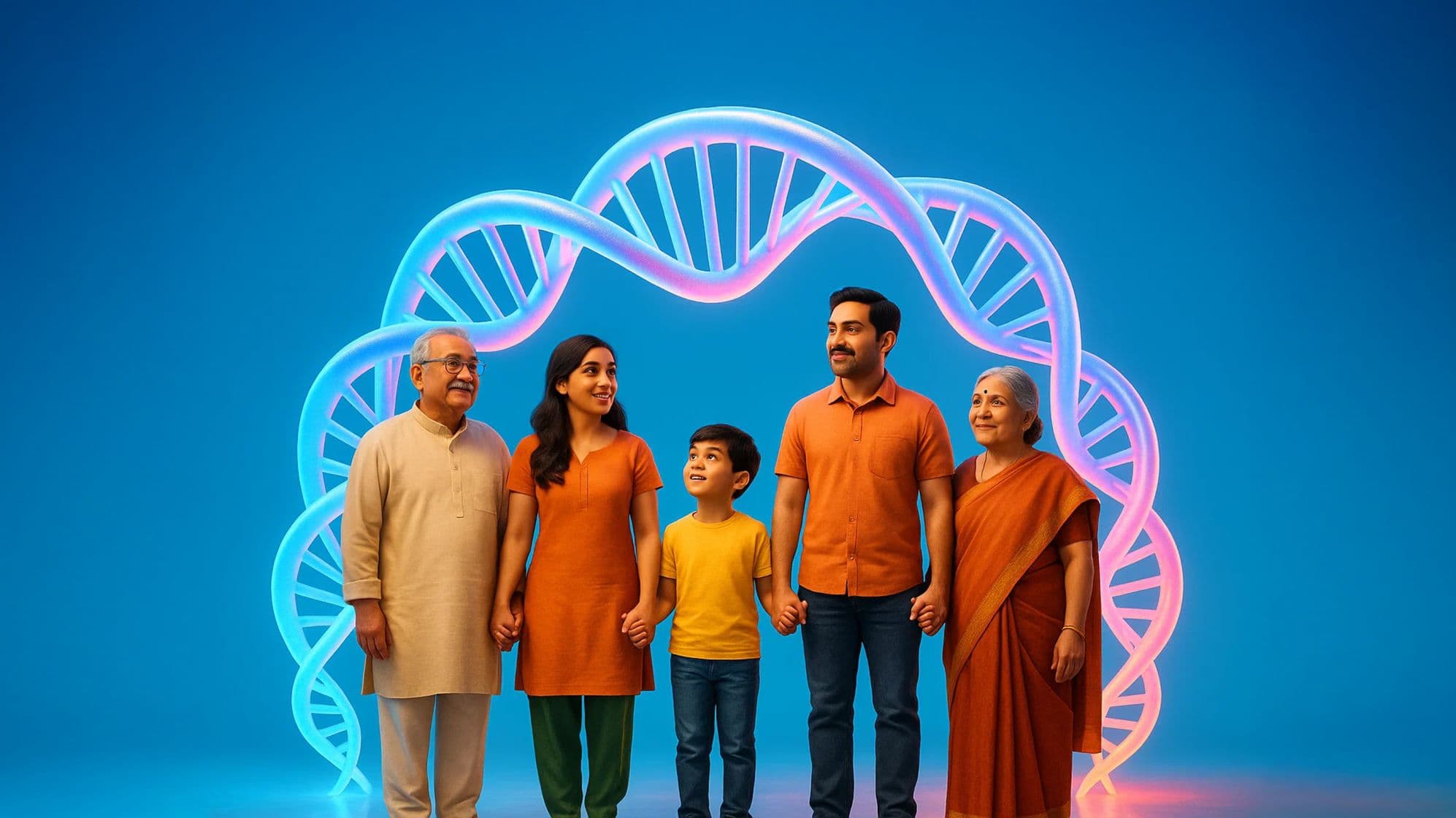
Family support and genetic awareness play a key role in understanding inherited conditions and planning a healthy future for the next generation.
Understanding Genetic Disorders: A Guide for Families
What is a Genetic Disorder?
Genetic disorders are health conditions caused by changes or mutations in a person’s DNA. These changes can affect how the body develops, functions, or fights disease. Some disorders are inherited from parents, while others occur for the first time in an individual.
Types of Genetic Disorders
There are different types of genetic disorders:
- Single-gene disorders: Caused by changes in one gene, such as thalassemia, sickle cell anemia, cystic fibrosis, or muscular dystrophy.
- Chromosomal disorders: Caused by problems with chromosomes, such as Down syndrome or Turner syndrome.
- Multifactorial disorders: Caused by a combination of genetic and environmental factors, such as some heart conditions and diabetes.
- Mitochondrial disorders: Rare disorders affecting energy production in cells.
Causes of Genetic Disorders
Genetic disorders may occur due to:
- Inherited faulty genes from one or both parents
- New mutations in DNA
- Problems with chromosomes (extra, missing, or structurally abnormal)
- A mix of genetic and environmental factors
Symptoms of Genetic Disorders
The symptoms vary widely depending on the condition but may include:
- Developmental delays
- Learning difficulties
- Frequent infections or blood problems
- Growth abnormalities
- Infertility or recurrent pregnancy loss
Common vs Rare Genetic Disorders
- Common genetic disorders: Thalassemia, cystic fibrosis, sickle cell anemia.
- Rare genetic disorders: Tay-Sachs disease, Duchenne muscular dystrophy, mitochondrial disorders.
Diagnosis and Screening
Genetic disorders can be identified through:
- Carrier screening: Blood or saliva tests to check if a person carries genes linked to certain disorders.
- Genetic testing: Recommended if a disorder is suspected.
- Prenatal testing: Detects chromosomal conditions like Down syndrome and spina bifida during pregnancy.
- Preimplantation genetic testing (PGT-M) with IVF: Helps check embryos for genetic conditions before transfer.
Treatment for Genetic Disorders
Not all genetic disorders can be cured, but many can be managed with:
- Medications and therapies to reduce symptoms
- Blood transfusions (for thalassemia and sickle cell anemia)
- Enzyme replacement therapy (for specific conditions)
- Lifestyle modifications for better health
- IVF with PGT-M to prevent passing on a disorder to future children
Prevention of Genetic Disorders
- Undergoing carrier screening before pregnancy
- Seeking genetic counseling if there is a family history
- Maintaining a healthy lifestyle and avoiding harmful exposures
- Using IVF with genetic testing for high-risk couples
Food to Eat
A balanced diet can help manage symptoms and improve overall health in people living with genetic disorders. Foods to include are:
- Iron-rich foods (if not contraindicated): spinach, lentils, lean meats (for anemia-related disorders).
- Folate and Vitamin B12 sources: leafy greens, eggs, beans, fortified cereals.
- Omega-3 fatty acids: walnuts, flaxseeds, and fish to support brain and heart health.
- High-protein foods: lean meat, dairy, soy, and legumes for muscle strength.
- Antioxidant-rich fruits and vegetables: berries, citrus, broccoli, and carrots to support immunity.
Foods to Avoid
Certain foods may worsen symptoms or interfere with treatment. It is best to avoid:
- Excess processed foods high in sugar and unhealthy fats.
- Alcohol and smoking, as they damage DNA further and impact fertility.
- High-iron foods for conditions like thalassemia (unless recommended by a doctor).
- Caffeine in excess, which may interfere with nutrient absorption.
- Unregulated herbal remedies, as they may not be safe in genetic conditions.
FAQs about Genetic Disorders
Q. What is a genetic disorder?
A. It is a condition caused by changes in DNA that may be inherited or occur spontaneously.
Q. What causes genetic disorders?
A. They may be caused by mutations, chromosomal changes, or inherited faulty genes.
Q. Can genetic disorders be prevented?
A. Not always, but genetic screening and counseling can lower the risk.
Q. Are all genetic disorders inherited?
A. No. Some are inherited, while others result from new mutations.
Q. What are some common genetic disorders?
A. Examples include thalassemia, sickle cell anemia, and cystic fibrosis.
Q. Can genetic disorders cause infertility?
A. Yes. Some genetic conditions, like chromosomal abnormalities, may lead to infertility.
Q. How are genetic disorders detected in newborns?
A. Through newborn screening programs, blood tests, or genetic evaluations if symptoms appear.
Q. Is diabetes a genetic disorder?
A. Diabetes is not purely genetic but family history can increase risk.
Q. Is autism a genetic disorder?
A. Autism has genetic links, though environmental and other factors also play a role.
Q. What treatments are available?
A. Treatments vary by condition. Some can be managed with medicines, therapies, or supportive care.
HomeIVF for Couples with Genetic Risks
HomeIVF makes fertility treatment more convenient and less overwhelming for couples at risk of passing on genetic conditions. With this approach, consultations, follow-up appointments, and diagnostic tests are arranged at home or nearby. Medicines are delivered to your doorstep, and your doctor monitors progress through virtual check-ins. Only essential procedures, such as egg retrieval and embryo transfer, require a short clinic visit.
HomeIVF brings advanced fertility care closer to you, helping couples facing genetic risks move forward with confidence, safety, and hope.
Reference: Genetic Screening for Birth Defects - American Society for Reproductive Medicine (ASRM)