



Understanding Endometriosis: Its Effect on Fertility
Understanding Endometriosis: Its Effect on Fertility
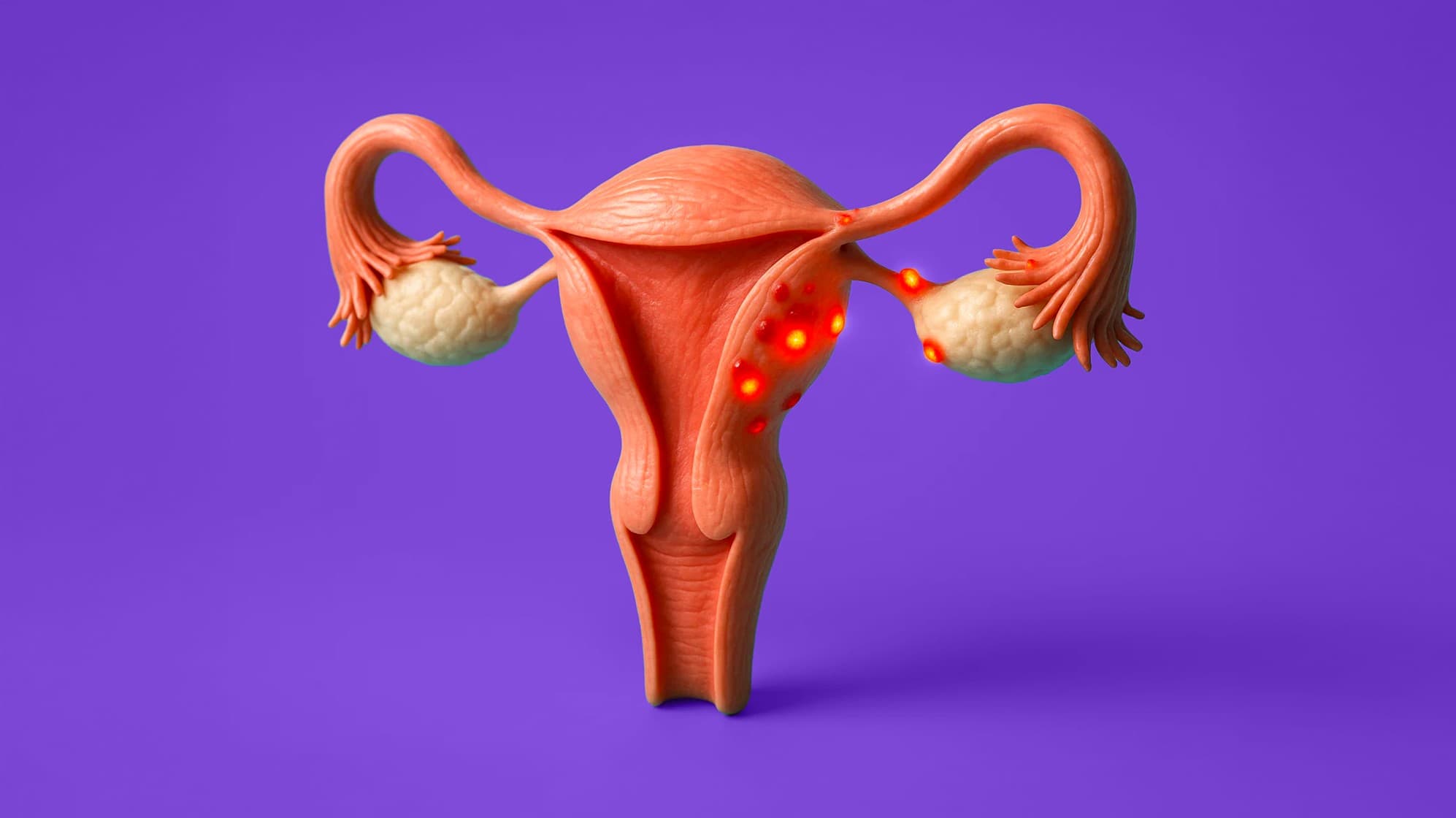
Endometriosis occurs when tissue grows outside the uterus, causing inflammation and potentially affecting fertility.
Understanding Endometriosis: Its Effect on Fertility
A Patient’s Guide
What Is Endometriosis?
Endometriosis is a condition in which tissue similar to the lining of the womb (endometrium) grows outside the uterus. This tissue can develop on the ovaries, fallopian tubes, and other areas in the pelvis.
Just like the womb lining, it thickens, breaks down, and bleeds during the menstrual cycle. However, this blood and tissue cannot leave the body, which can lead to inflammation, scar tissue, and adhesions. These changes may cause pain and, in some cases, fertility problems.
Endometriosis is common in women between the ages of 20 and 40, and it can range from mild to severe.
Stages of Endometriosis
- Stage 1 (Minimal) - Small patches or spots, few or no adhesions.
- Stage 2 (Mild) - More patches and some scar tissue.
- Stage 3 (Moderate) - Multiple deep implants, small ovarian cysts, and thicker adhesions.
- Stage 4 (Severe) - Large cysts, widespread lesions, and extensive adhesions.
The stage does not always match the severity of symptoms.
How Endometriosis Can Affect Fertility?
Endometriosis can make it harder to conceive by:
- Blocking the fallopian tubes so the egg and sperm cannot meet.
- Causing inflammation that can affect egg quality, sperm function, or embryo development.
- Damaging the ovaries, reducing the number and quality of eggs.
- Creating adhesions that alter the position of reproductive organs.
Common Symptoms
Some women have no symptoms, while others may notice:
- Painful periods
- Pelvic pain between periods
- Pain during sex
- Pain during urination or bowel movements
- Heavy or irregular periods
- Difficulty getting pregnant
Do All Women with Endometriosis Need Treatment Before Trying for Pregnancy?
Not always. Treatment may be suggested if you have:
- Severe pain
- Large ovarian cysts (endometriomas)
- Extensive adhesions
- Repeated pregnancy losses or failed fertility treatments
Treatment Procedures for Endometriosis
1. Laparoscopic Surgery
Removes visible endometriosis tissue, cysts, and adhesions using small incisions. This can improve symptoms and may enhance fertility. Recovery time is usually 1 to 3 weeks.
2. Medication
Hormonal treatments (such as GnRH analogues, contraceptive pills, or progestins) can suppress endometriosis growth and reduce pain. These are not suitable when trying to conceive but may prepare the body for IVF.
3. Pain Management
Pain relief medicines (NSAIDs) and supportive measures to improve comfort.
Lifestyle Do’s and Don’ts
Do’s
- Eat a healthy, balanced diet with anti-inflammatory foods.
- Exercise regularly but gently.
- Manage stress with relaxation techniques.
- Keep up with regular medical check-ups.
Don’ts
- Ignore persistent pelvic pain or menstrual changes.
- Delay medical advice if you are struggling to conceive.
- Use hormonal medicines without a doctor’s guidance.
Foods to Eat
- Fresh fruits and vegetables
- Whole grains
- Omega-3-rich foods like salmon, flaxseeds, and walnuts
- Legumes and plant-based proteins
- Olive oil and other healthy fats
Foods to Avoid
- Red and processed meats
- Refined sugars and white flour
- High-fat dairy products
- Excess caffeine and alcohol
- Processed or fried foods
Precautions if You Have Endometriosis and Are Planning Pregnancy
- Have regular fertility evaluations.
- Discuss the right time to start IVF with your doctor.
- Consider surgical removal of large cysts before treatment if advised.
- Monitor your symptoms closely during fertility treatment.
Questions to Ask Your Doctor?
- How severe is my endometriosis?
- Will it affect my chances of pregnancy?
- Should I have surgery before trying to conceive?
- What lifestyle changes can help me?
- What are my chances with IVF?
What Is Home IVF?
Home IVF is a convenient fertility treatment approach where most steps take place at home. Consultations are done via video call, blood tests and scans are arranged at home, and your progress is monitored remotely by your doctor. Only egg collection and embryo transfer require clinic visits.