



Tubal Blockage and Pregnancy: Your Guide to Understanding and Tre
Tubal Blockage and Pregnancy: Your Guide to Understanding and Tre
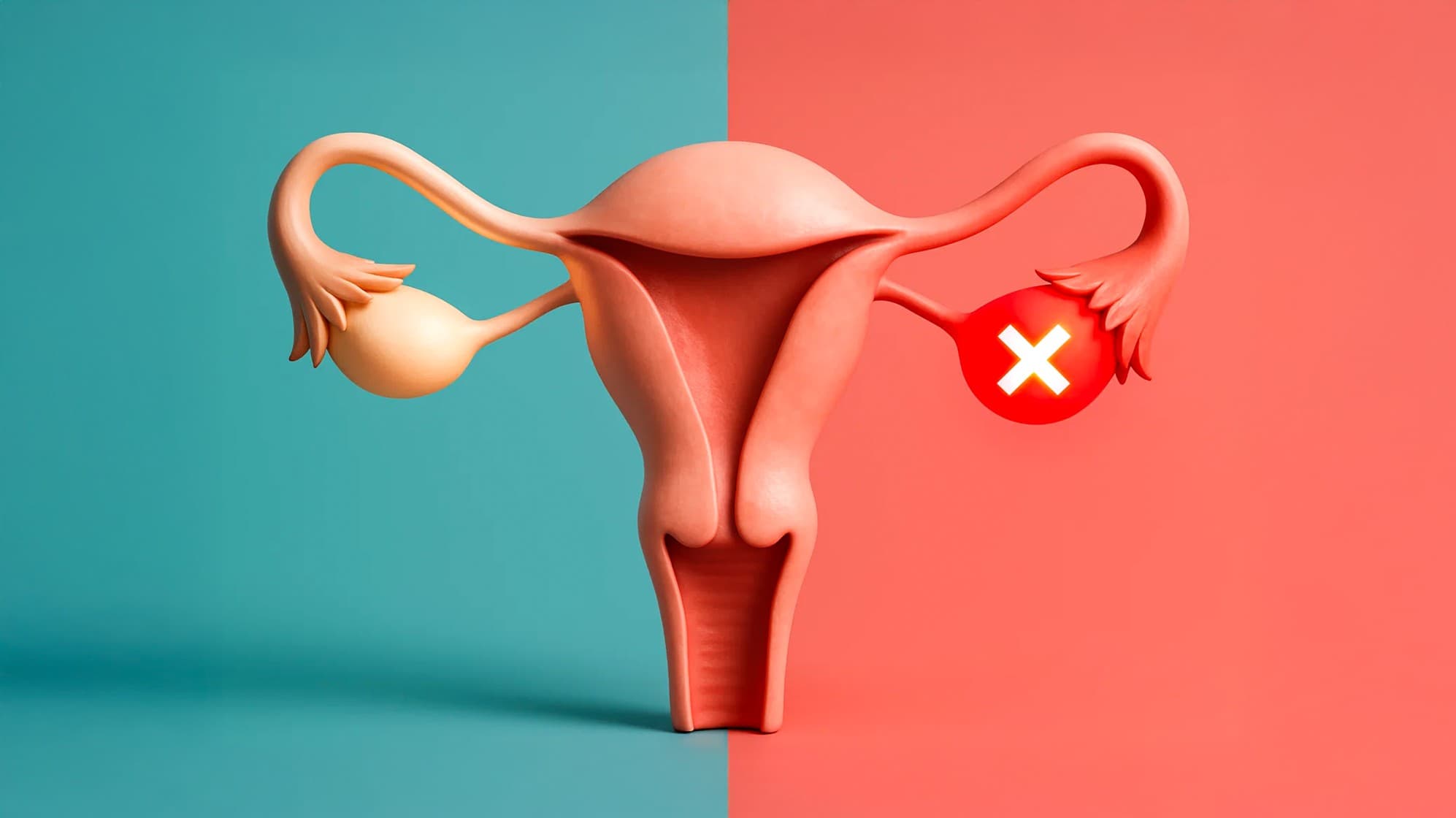
Illustration of the uterus with one healthy fallopian tube and one blocked tube marked with a cross, representing tubal blockage and infertility
Tubal Blockage and Pregnancy: Your Guide to Understanding and Treatment
A Patient’s Guide
What Is Tubal Blockage?
Tubal blockage happens when one or both fallopian tubes are blocked, stopping the egg and sperm from meeting. The fallopian tubes connect the ovaries to the uterus and are the place where fertilization naturally occurs. A blockage can be partial or complete, and it can affect one tube or both.
One Tube Blocked
If one tube is blocked and the other is healthy, natural pregnancy is still possible. It may take longer because ovulation does not always happen from the open side.
Both Tubes Blocked
If both tubes are blocked, natural pregnancy cannot happen. IVF is usually the best option because it bypasses the tubes completely.
How Tubal Blockage Affects Fertility
- Reduces or stops the egg and sperm from meeting
- Increases risk of ectopic pregnancy if tubes are damaged
- Can lead to longer time to conception or no natural conception at all
Common Causes
- Pelvic inflammatory disease (PID)
- Sexually transmitted infections like chlamydia or gonorrhea
- Endometriosis
- Past pelvic or abdominal surgery
- Previous ectopic pregnancy
- Tuberculosis of the reproductive tract (in some regions)
Diagnosis
- Hysterosalpingography (HSG): X-ray with dye to check if tubes are open
- Sonohysterography: Ultrasound with fluid to look inside the uterus and tubes
- Laparoscopy: Keyhole surgery to confirm blockage and sometimes treat it
Treatment Options
Laparoscopic Surgery - Removes scar tissue or adhesions and can open blocked tubes if damage is mild.
Tuboplasty - Surgical repair of blocked or damaged tubes.
Salpingectomy / Salpingostomy - Removal or opening of a damaged tube, often for hydrosalpinx (fluid-filled tube).
IVF (In Vitro Fertilization) - Bypasses the tubes completely by placing embryos directly into the uterus.
Chances After Treatment
- One tube cleared: Good natural pregnancy chances if the other tube is healthy.
- Both tubes cleared: Natural pregnancy possible, success depends on age and damage level.
- Hydrosalpinx treated before IVF: IVF success can improve by 20–50 percent.
Average IVF success after blockage treatment:
- Under 35: 40-55% per cycle
- 35-38: 30-45%
- 39-42: 15-25%
- Over 42: less than 10%
Do’s and Don’ts
Do’s
- Get early evaluation if you have risk factors
- Follow your treatment plan closely
- Maintain a healthy weight and diet
- Practice safe sex to prevent infections
Don’ts
- Delay medical help if trying for a year without success (6 months if over 35)
- Ignore pelvic pain or unusual discharge
- Use unverified remedies for tube blockage
- Smoke or drink excessively
Foods to Eat
- Fresh fruits and vegetables
- Whole grains
- Lean proteins like chicken, fish, eggs, and legumes
- Omega-3-rich foods like salmon, flaxseeds, and walnuts
- Healthy fats from nuts, seeds, and olive oil
Foods to Avoid
- Processed and fried foods
- Sugary snacks and drinks
- Excess caffeine
- Alcohol
- Foods high in trans fats
FAQs
Q. Can I get pregnant naturally with one blocked tube?
A. Yes, if the other tube is healthy.
Q. If both tubes are blocked, is IVF my only option?
A. In most cases, yes, because IVF bypasses the tubes.
Q. Can surgery improve my chances?
A. Yes, especially if damage is mild or if a hydrosalpinx is removed before IVF.
Q. Will blocked tubes cause symptoms?
A. Not always. Some women have no symptoms, while others may feel pelvic pain.
Home IVF for Tubal Blockage
Home IVF offers a more comfortable and convenient way to get fertility treatment when you have tubal blockage. Consultations are done by video call, blood tests and scans can be arranged at home or nearby, and medicines are delivered to your door. Your doctor tracks your progress remotely, and you only need to visit the clinic for egg collection and embryo transfer.