



Male Infertility? It Might Be Varicocele
Male Infertility? It Might Be Varicocele
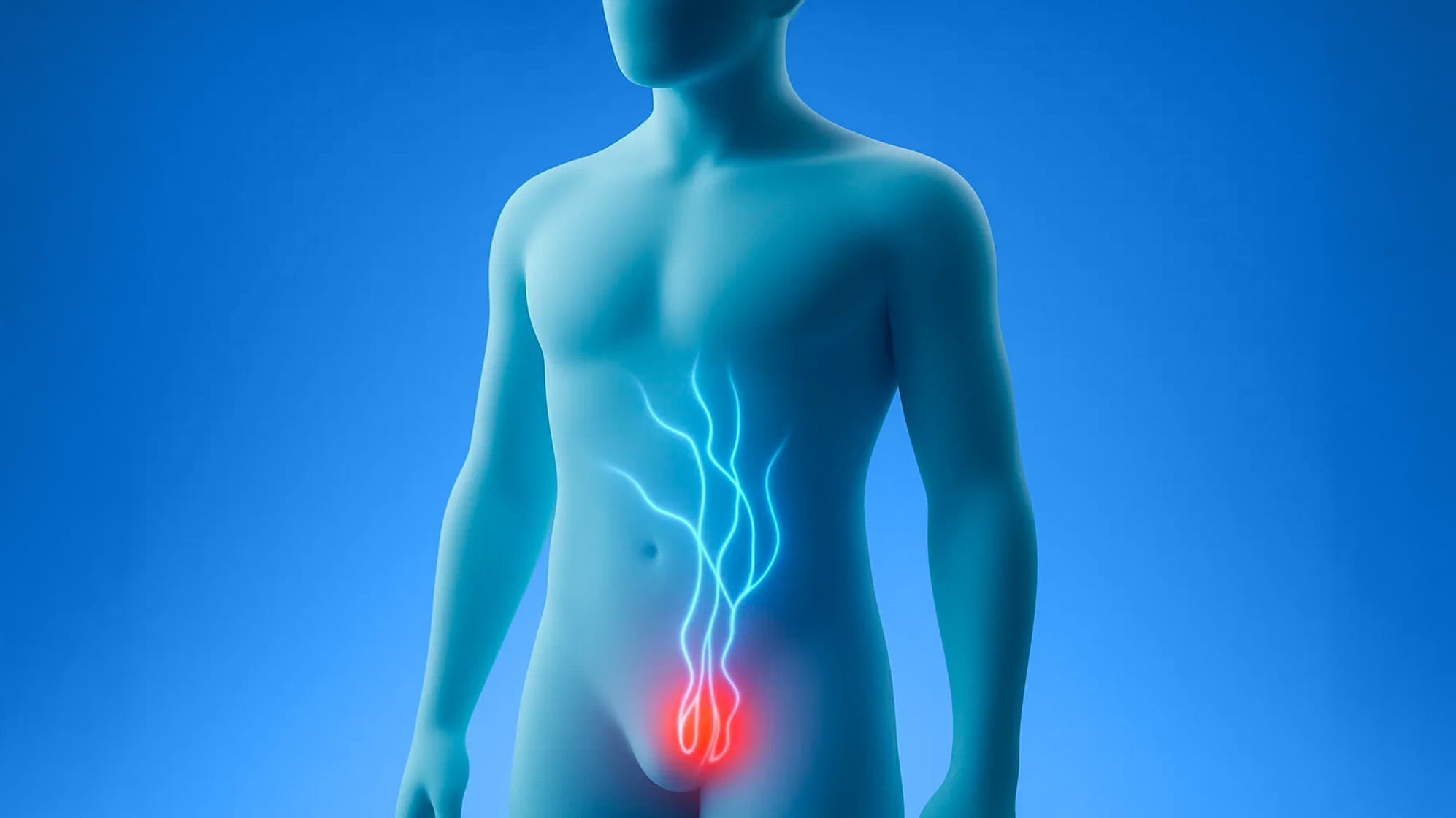
Male reproductive system illustration highlighting varicocele with pain and enlarged veins in the scrotum affecting fertility.
Understanding Varicocele: What Every Man Should Know
What is Varicocele?
A varicocele is an enlargement of the veins inside the scrotum, similar to varicose veins in the legs. It is one of the most common causes of male infertility, affecting about 15% of all men and up to 40% of men with infertility problems. Most often, it appears on the left side, but it can also be bilateral varicocele (both sides).
Varicocele Symptoms
Many men with varicocele have no symptoms at all. When symptoms occur, they may include:
- A dull, aching varicocele pain in the scrotum, especially after standing for long periods
- A heavy or dragging sensation in the testicles
- Visible or enlarged veins in the scrotum
- Testicular shrinkage (atrophy)
- Difficulty conceiving
Varicocele Causes
Varicoceles form when the valves in the spermatic veins fail, leading to poor blood flow and vein enlargement. Factors linked to varicocele include:
- Abnormal vein anatomy
- Increased pressure in scrotal veins
- Mostly develops during puberty and may worsen with time
Diagnosis of Varicocele
A doctor can usually diagnose varicocele during a physical examination. For confirmation, tests may include:
- Varicocele ultrasound to assess vein size and blood flow
- Varicocele grading (Grade 1 to Grade 3) based on severity
- Semen analysis to check fertility impact
Types of Varicocele
- Left Varicocele: Most common due to vein anatomy.
- Bilateral Varicocele: Involves both testicles.
- Testicular Varicocele: Refers to the affected side or specific testicle.
Varicocele Treatment Options
Not all varicoceles require treatment. However, treatment may be recommended if you have infertility, testicular atrophy, or significant pain. Options include:
1. Varicocele Surgery (Varicocelectomy)
- Involves tying off the affected veins to redirect blood flow.
- Can be done via open, laparoscopic, or microsurgery.
- Recovery is usually quick, though mild pain and swelling are common.
2. Varicocele Embolization
- A minimally invasive, non-surgical option.
- A small catheter is used to block the faulty veins.
- Shorter recovery time compared to surgery.
3. Lifestyle and Monitoring
- For small, symptom-free varicoceles, regular check-ups may be enough.
- Supportive underwear can reduce discomfort.
Varicocele Complications
While most varicoceles are harmless, possible complications include:
- Infertility (due to poor sperm quality or count)
- Testicular atrophy (shrinkage)
- Persistent scrotal pain
Do’s and Don’ts with Varicocele
Do’s
- Wear supportive underwear to ease discomfort
- Maintain a healthy weight to improve blood circulation
- Eat a fertility-friendly diet rich in antioxidants (fruits, vegetables, nuts)
- Stay active with moderate exercise
Don’ts
- Avoid prolonged standing or heavy lifting that worsens scrotal pressure
- Limit smoking and alcohol, which can affect fertility
- Avoid overheating the testicles (tight clothing, hot tubs, saunas)
Foods to Eat and Avoid
Foods to Eat
- Fresh fruits and vegetables (tomatoes, spinach, citrus)
- Nuts, seeds, and whole grains
- Foods rich in zinc and selenium (pumpkin seeds, seafood)
- Omega-3 fatty acids (fish, flaxseeds)
Foods to Avoid
- Processed and fried foods
- Excessive caffeine and alcohol
- High-sugar and high-fat foods that reduce sperm health
FAQs About Varicocele
Q. Is varicocele dangerous?
A. Most varicoceles are not dangerous, but they can impact fertility and cause discomfort.
Q. Can varicocele cause infertility?
A. Yes, varicocele is one of the most common causes of male infertility due to reduced sperm quality.
Q. Can varicocele be cured?
A. Yes. With proper treatment, varicocele can be corrected, and many men see improvement in fertility.
Q. What happens after varicocele surgery?
A. Most men recover quickly, with reduced pain and better semen parameters over time.
Q. How to treat varicocele without surgery?
A. Small, symptom-free varicoceles may only need monitoring, lifestyle changes, and supportive underwear.
Q. Why does varicocele happen?
A. It usually occurs due to faulty valves in the scrotal veins, leading to blood pooling.
HomeIVF for Couples Facing Varicocele-related Infertility
HomeIVF makes fertility treatment more convenient and less overwhelming. Consultations, follow-up visits, and many diagnostic tests are arranged at home or nearby. Medicines are delivered to your doorstep, and your doctor monitors your progress closely through virtual check-ins.
Only essential procedures, such as sperm retrieval or IVF steps, require a short clinic visit.
HomeIVF brings advanced fertility care closer to you, helping couples affected by varicocele move forward with confidence, comfort, and hope.
Reference
Content adapted from the ASRM (American Society for Reproductive Medicine) Varicocele Fact Sheet.