


Our Services
We offer a comprehensive range of fertility treatments and diagnostic services.



Male Infertility? ICSI Can Help
Male Infertility? ICSI Can Help
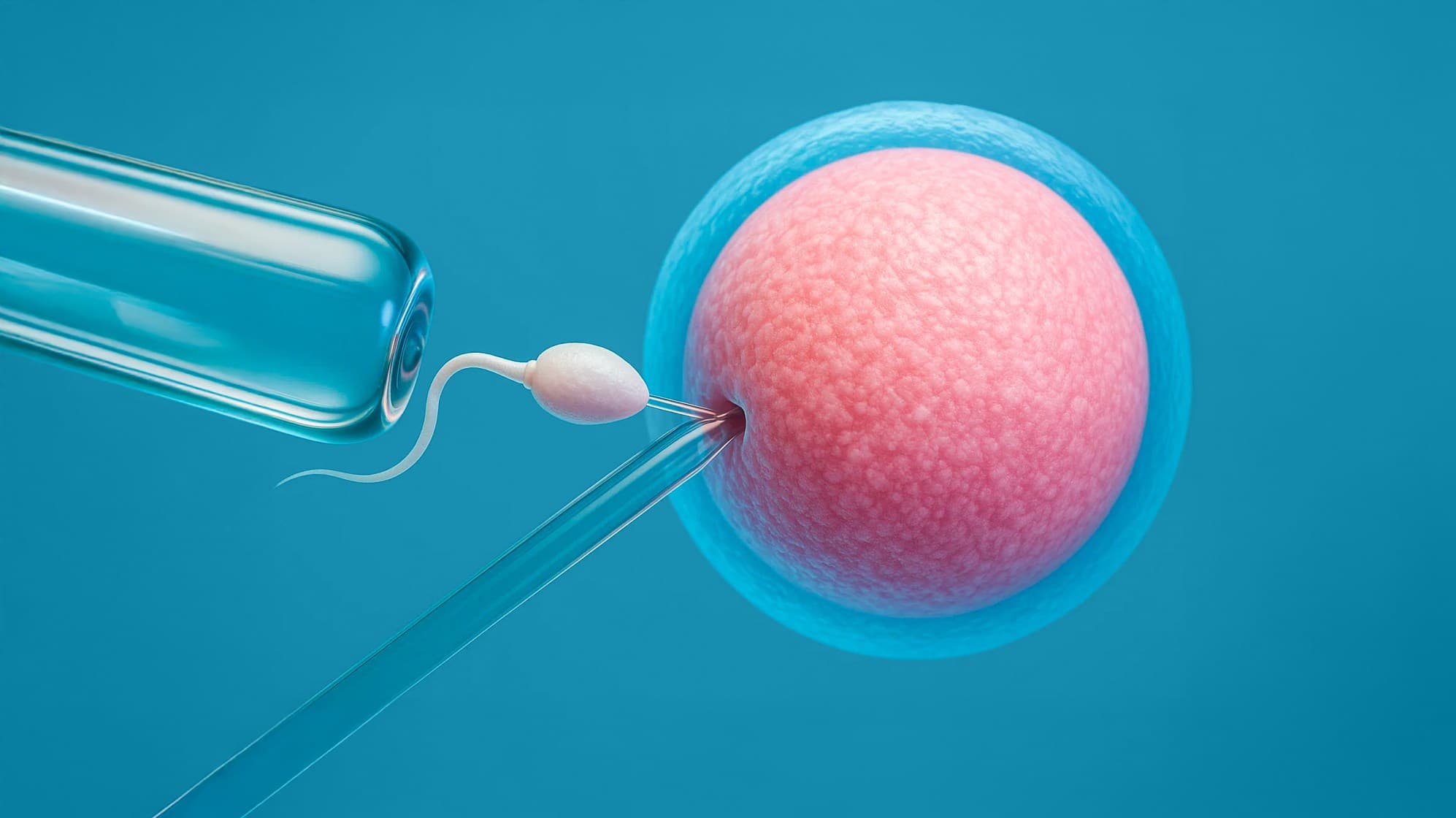
ICSI involves injecting a single sperm directly into an egg to improve fertilization, especially in cases of male infertility.
Understanding ICSI: A Step Forward in Fertility Treatment
What is ICSI in IVF?
Intracytoplasmic Sperm Injection (ICSI) is an advanced form of IVF treatment. In this procedure, a single sperm is directly injected into the cytoplasm of an egg. The cytoplasm is the gel-like center of the egg made up of water, salts, and other molecules. This direct method helps couples when sperm cannot naturally fertilize the egg.
How is ICSI Different from IVF?
In standard IVF, thousands of sperm are placed near the egg in a lab dish, and fertilization happens naturally.
In ICSI, one carefully chosen sperm is injected into the egg with a fine needle. This gives fertilization a better chance, especially in cases of male infertility or previous IVF failures.
Why You May Need ICSI
ICSI is recommended in situations such as:
- Very low sperm count or poor sperm movement.
- Sperm that cannot attach to or penetrate the egg.
- Blockages that prevent sperm release.
- Previous IVF cycles with poor or no fertilization.
- Using frozen or in-vitro matured eggs.
- Unexplained infertility where other treatments have failed.
ICSI removes many of the natural barriers to fertilization and increases the chances of a healthy pregnancy.
The ICSI Process
- The woman’s eggs are retrieved through IVF.
- A single sperm is chosen and injected into each egg.
- Fertilized eggs are grown in the lab for 3 to 5 days.
- A healthy embryo is transferred into the uterus.
Success Rates with ICSI
Around 50% to 80% of eggs fertilize successfully with ICSI. The chance of pregnancy after embryo transfer is similar to that of traditional IVF.
Is ICSI Safe?
Most babies born through ICSI are healthy. The risks are slightly higher than natural conception but comparable to IVF. In rare cases, genetic infertility can be passed on to sons, so genetic counseling may be advised.
Foods to Eat
- Fresh fruits and vegetables (rich in antioxidants, like berries and leafy greens).
- Whole grains such as brown rice, oats, and quinoa.
- Lean proteins like eggs, chicken, fish, and legumes.
- Healthy fats from nuts, seeds, avocados, and olive oil.
- Omega-3-rich foods like salmon, walnuts, and flaxseeds.
Foods to Avoid
- Processed and fried foods.
- Excess sugar and refined carbohydrates.
- Alcohol and smoking.
- Too much caffeine.
- Foods high in trans fats.
FAQs
Q. What is ICSI in IVF?
A. ICSI is a fertility treatment where a single sperm is injected directly into an egg to help fertilization.
Q. How is ICSI different from IVF?
A. IVF allows sperm to fertilize the egg naturally in the lab, while ICSI directly injects one sperm into the egg.
Q. Which is better: IVF or ICSI?
A. Neither is “better” overall. ICSI is better suited for male infertility cases, while IVF works well in other infertility situations.
Q. What is the ICSI process?
A. It involves egg retrieval, sperm injection into the egg, embryo culture, and embryo transfer.
Q. What are the ICSI success rates?
A. About 50% to 80% of eggs fertilize. Pregnancy chances after embryo transfer are similar to IVF.
Q. Is ICSI painful?
A. The woman may feel some discomfort during egg retrieval, but the actual ICSI procedure is painless as it is done in the lab.
Q. Do all couples need ICSI?
A. No. ICSI is recommended mainly for male infertility, poor fertilization history, or specific medical reasons.
Q. Can ICSI help if my sperm count is very low?
A. Yes. Even when only a few sperm are available, ICSI can be successful.
Q. Can ICSI increase my chances after failed IVF?
A. Yes. ICSI is often recommended for couples who did not achieve fertilization in standard IVF.
Q. Are there risks with ICSI?
A. Risks are slightly higher than natural conception, but most babies are born healthy. Genetic counseling may be recommended in some cases.
HomeIVF for Couples Considering ICSI
HomeIVF brings fertility treatment closer to home, making the process less stressful and more convenient. With HomeIVF:
- Consultations, follow-ups, and tests can be done at home or nearby.
- Medicines are delivered directly to you.
- Doctors monitor progress through virtual check-ins.
- Only egg retrieval and embryo transfer require short clinic visits.
This approach combines comfort with advanced fertility science, helping couples who need ICSI move forward with confidence and hope.
Reference: American Society for Reproductive Medicine (ASRM) - Intracytoplasmic Sperm Injection (ICSI)

Policies

Get The App


Socials


Get The App

© HOMEIVF PRIVATE LIMITED 2026. All Rights Reserved.
A venture of Seeds of Innocens.