


Our Services
We offer a comprehensive range of fertility treatments and diagnostic services.



Frozen Embryo Transfer: A Second Chance for Success
Frozen Embryo Transfer: A Second Chance for Success
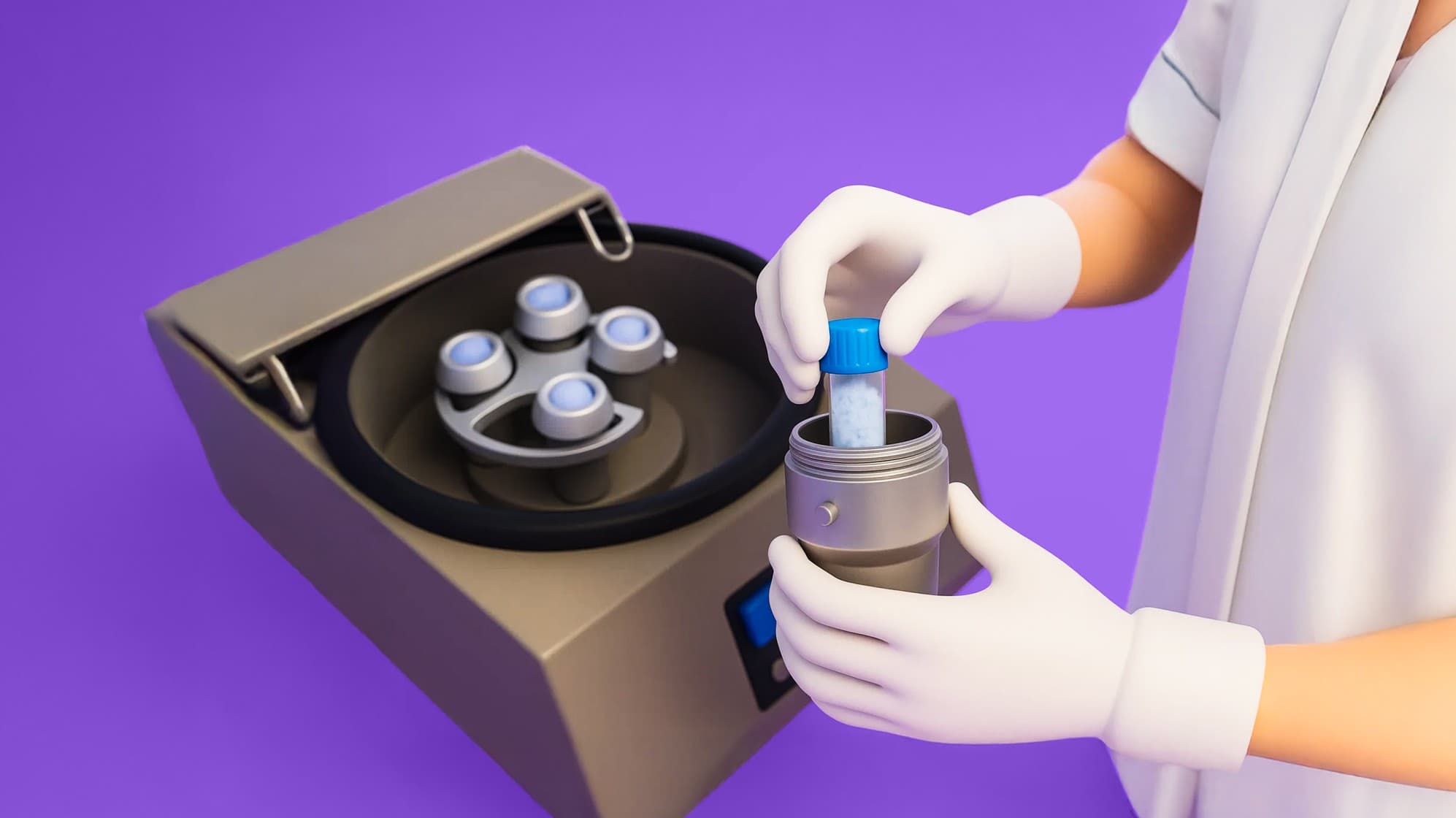
Medical illustration of frozen embryo sample being handled in cryopreservation container representing frozen embryo transfer FET process in IVF treatment
What is Frozen Embryo Transfer (FET)?
Is frozen embryo transfer good?
This is specially designed for couples preparing for a Frozen Embryo Transfer (FET) as part of their IVF/ICSI journey. It provides detailed information about the procedure, preparation, and follow-up care after the FET.
FET refers to the transfer of embryos that had been frozen at an earlier stage in an IVF/ICSI cycle after thawing; thus, it enables couples to use their frozen embryos without having another full cycle of stimulation and egg retrieval.
How Should I Prepare for FET?
How do I prepare for the FET transfer? Before proceeding with FET, a patient should be in the most appropriate health condition for treatment:
-
Body Mass Index (BMI): Your BMI should fall between 19 and 30. The weight calculates your BMI in kilograms divided by the height in meters squared. In case your BMI is too low or too high, you will be advised on how to bring it into a healthier range before treatment.
-
Blood Tests: Screening for infections like Hepatitis B, Hepatitis C, HIV, HTLV, and syphilis will be done before your FET.
Planning the Procedure
A planning appointment with your Consultant is required, where you and your partner will need to sign the appropriate consent forms. If private treatment is chosen, then a costed treatment plan will be provided, and payments should be made before beginning the process. For those who require a refresher in injections, the nurses will be available to help.
Types of FET Procedures
There are two main approaches to FET: Natural Cycle FET IVF and Programmed Cycle FET. One of these will be recommended depending on your specific needs and medical situation.
-
Natural Cycle FET: This is a good approach for women who have cyclical periods. You would call the clinic on the first day of your period to schedule a scan on about the tenth day when they will check on the thickness of the uterine lining and the follicular development. Assuming everything is all well, you will follow up on your ovulation with an Ovulation Predictor Kit, and when you detect an ovulation surge, call the clinic to schedule your embryo transfer. If it begins to ovulate during a weekend, then the cycle may have to be delayed.
-
Programmed Cycle FET: This protocol is ideal for those who have irregular cycles or for those with specific medical reasons. It has two types of programmed FET: Long Protocol and Short Protocol. Both protocols are designed to regulate hormonal levels, and the choice is one as per the availability of medications and other factors. Here’s how they work:
Long Protocol FET
-
Contact the clinic on the first day of your period to inform them you're starting the long protocol.
-
Collect your medications and start daily injections of Suprecur around day 21 of your cycle.
-
After your next period, arrange a baseline ultrasound scan. If the scan is clear, you’ll start taking estrogen tablets to prepare the lining of your uterus for embryo transfer.
-
A follow-up scan will be done around days 10–12 of your cycle to check if the uterine lining is thick enough. If it is, you’ll stop the Suprecur injections and start progesterone pessaries, with embryo transfer scheduled shortly after.
-
If the lining is not ready, more time or additional hormone patches may be given.
Short Protocol FET
-
The short protocol begins on the first day of your period. You’ll start injections of Ganirelix or Cetrotide and continue for five days.
-
After your first scan, you’ll be started on estrogen tablets to thicken the uterine lining. The same follow-up steps are followed as in the long protocol, including additional hormone support if necessary.
Thawing and Transferring the Embryos
The embryos will thaw on the very day you are due for transfer. If they thaw well, they will contact you to come in with a full bladder for the transfer. It is a very quick, pain-free procedure that doesn't require anesthetic. A catheter is inserted into the uterus via ultrasound guidance, and the embryos are infused.
What Happens After Embryo Transfer?
-
After transfer, you will also be put on progesterone pessaries or injections to support the lining and assist in successful implantation. Continue these medications for two weeks.
-
There's a pregnancy test, and if it's positive, blood tests and a collection of medications follow, and if it's negative, there is a follow-up for the next course of action.
-
A pregnancy test will be performed, and if it turns out positive, appropriate follow-up blood tests and the collecting medications will be communicated. In case it is negative, a date for another appointment to report back on further means to take will be given.
-
A pregnancy test will be scheduled; if positive, a follow-up blood test and medication collection will be organized. If it returns negative, then a follow-up appointment will be taken to discuss the next steps.
Potential Risks
Like any medical procedure, FET comes with some risks:
-
Side effects of medications could be tiredness, headaches, nausea, bloating, and injection site irritation.
-
Not all embryos survive freezing and thawing, but usually about 80% survive.
-
There is a small chance of miscarriage, ectopic pregnancy, or any complication related to the embryo transfer procedure.
Aftercare and Support
In cases of an unsuccessful cycle, you can take the benefit of discussions with your Consultant as to your next step. At HomeIVF, we understand the emotional toll fertility treatments can take, and supportive counseling is available to help couples through this challenging time.
We maintain high standards of providing quality care and services of high caliber. Do not hesitate to share your suggestions or any other views you might have with our team.
FAQs
Q. What is Frozen Embryo Transfer (FET), and how does it work?
A. Frozen Embryo Transfer (FET) is a procedure in which embryos that were previously frozen after an IVF or ICSI cycle are thawed and transferred into the uterus. This allows couples to use their frozen embryos without having to undergo another full IVF cycle, saving time, effort, and cost.
Q. How should I prepare for Frozen Embryo Transfer (FET)?
A. Preparing for FET involves several steps, including maintaining a healthy Body Mass Index (BMI) between 19 and 30, undergoing blood tests to screen for infections like Hepatitis B, Hepatitis C, HIV, and others, and consulting with your fertility specialist to sign consent forms and understand the process. Depending on your cycle, the type of FET procedure (natural or programmed) will be chosen to optimize the chances of success.
Q. What are the risks associated with Frozen Embryo Transfer (FET)?
A. While FET is generally a safe procedure, it does come with some risks, including side effects from medication such as tiredness, headaches, bloating, and irritation at the injection site. Although about 80% of embryos survive the freezing and thawing process, there is still a small risk of miscarriage, ectopic pregnancy, or complications related to the transfer.

Policies

Get The App


Socials


Get The App

© HOMEIVF PRIVATE LIMITED 2026. All Rights Reserved.
A venture of Seeds of Innocens.