



Egg Donation: A New Hope for Parenthood
Egg Donation: A New Hope for Parenthood
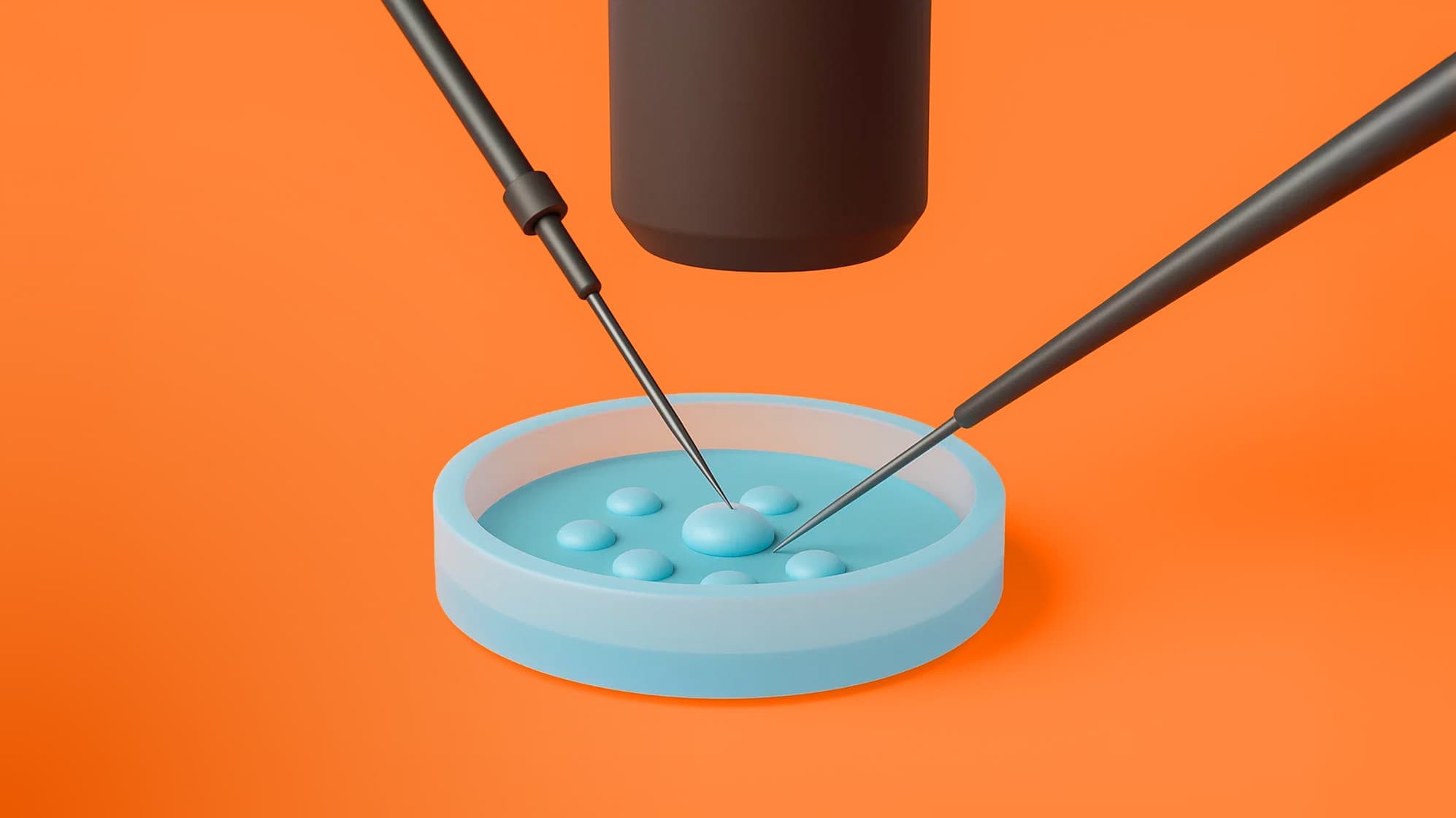
Laboratory illustration showing egg handling during IVF, with medical instruments preparing donor eggs for fertilization in an egg donation procedure
What is Egg Donation?
Egg donation for IVF will be the collection through IVF treatment of eggs from a donor or an egg sharer and then providing them to women who need them for pregnancy. This guide is for women who need donated eggs to conceive.
Why Might You Need Donated Eggs?
You may need donated eggs if:
-
Your ovaries do not produce eggs because of premature menopause, Turner's syndrome, or after treatments for some cancers, such as chemotherapy/radiotherapy.
-
You have no ovaries.
-
You are born with a genetic condition that could lead to miscarriage or pass the condition to your baby.
-
You had failed IVF because of poor-quality eggs.
Who Can Donate or Share Eggs?
Egg donation IVF process or sharers must meet these requirements:
-
Be between 18 and 35 years old.
-
Be healthy, with a BMI between 19 and 30.
-
Have a normal ovarian reserve (AMH level ≥12 pmol/l, Antral Follicle Count ≥12).
-
No history of severe endometriosis or removal of an ovary.
-
No transmissible diseases or significant polycystic ovary syndrome (PCOS).
-
No personal or family history of genetic disorders.
Legal and Counseling Requirements
All donors must undergo counseling sessions to ensure they understand the emotional and practical implications of donation. These sessions will also provide information about the medical procedures involved, the legal framework, and the rights of all parties. Counseling ensures informed consent and adherence to the legal requirements under the ART Act.
Additionally, donors must undergo comprehensive health screenings to confirm their eligibility and rule out transmissible infections or genetic conditions.
Treatment Process
Once you are cleared for treatment, a counseling session will be arranged to discuss the emotional and practical implications of using donated eggs.
Steps in Treatment:
-
Down-Regulation: If this were the case, your pituitary gland would be down-regulated with daily injections. Then you would have a period and an ultrasound scan.
-
Hormonal Preparation: It is possible that you will be on hormone replacement therapy, and you will be allowed to continue this right up to when your treatment begins. You'll be prescribed estrogen tablets to expand the lining of your uterus for the embryo transfer process.
-
Egg Collection: Once the donor is ready, eggs will be collected. Your partner will donate a semen sample.
-
Embryo Formation: The clinic will, shortly after fertilisation, inform you of the number of embryos formed.
This is a simple, painless procedure similar to a smear test. A fine tube called a catheter is used to place the embryo(s) in your womb. After the procedure, you can continue with normal activities.
What Happens After Embryo Transfer?
You will continue with estrogen tablets and progesterone pessaries. About 1-2 weeks after the transfer, you will take a home pregnancy test and inform the clinic of the result. If the result is positive, a blood test will confirm the pregnancy. If negative, a follow-up consultation will be offered.
Donor’s Informed Consent and Compensation
All donors must provide informed consent before proceeding with the donation. Compensation is provided strictly as prescribed under the ART Act to cover the donor’s time and expenses, ensuring ethical compliance and fairness.
At HomeIVF, we are dedicated to supporting you throughout your fertility journey. Should you have any concerns or need further support, counseling services are available to help you and your partner navigate this process.
FAQs
Q. Why might I need donated eggs?
A. You may need donated eggs if you are unable to produce eggs due to premature menopause, medical conditions like Turner's syndrome, cancer treatments (chemotherapy/radiotherapy), or having no ovaries. Other reasons include genetic conditions that could affect pregnancy or poor-quality eggs that led to failed IVF cycles.
Q. Who can donate or share eggs?
A. Egg donors must be healthy, aged between 18 and 35, and meet specific health criteria, including a normal ovarian reserve (AMH level ≥12 pmol/l, Antral Follicle Count ≥12). They must also be free from transmissible diseases and genetic disorders. Donors undergo counseling and medical screenings to ensure they are fit for donation.
Q. What happens during the egg donation treatment process?
A. The process includes down-regulation to prepare your body, hormonal therapy to prepare your uterus, and egg collection from the donor. After fertilization with your partner's sperm, the embryos are formed. A painless embryo transfer follows, and after 1-2 weeks, a pregnancy test confirms the result.