


Our Services
We offer a comprehensive range of fertility treatments and diagnostic services.



Patient Information Leaflet: Intrauterine Insemination (IUI)
Patient Information Leaflet: Intrauterine Insemination (IUI)
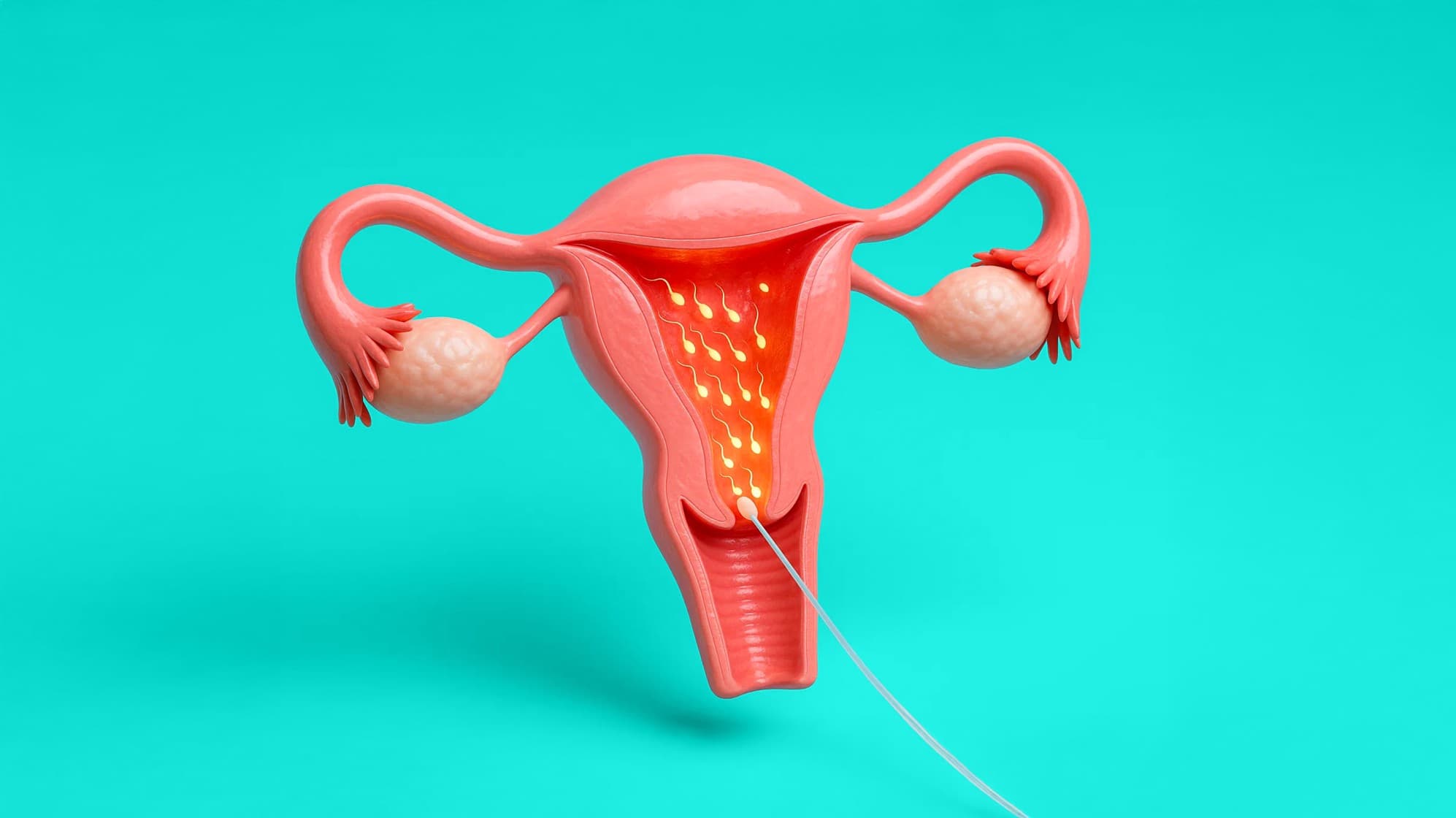
IUI places prepared sperm directly into the uterus using a thin catheter, increasing the chances of fertilization during ovulation.
Patient Information Leaflet: Intrauterine Insemination (IUI)
What is IUI?
Intrauterine Insemination (IUI) is a simple fertility treatment where specially prepared sperm is placed directly inside the woman’s uterus at the time of ovulation. By bringing sperm closer to the egg, IUI increases the chances of fertilization.
IUI Full Form
IUI stands for Intrauterine Insemination. It is often recommended for couples struggling with infertility but who do not require advanced treatments like IVF.
Who Can Benefit from IUI?
Doctors may suggest IUI treatment for:
- Couples with unexplained infertility
- Men with mild sperm issues such as low motility or count (after preparation)
- Women with ovulation problems (when ovulation is medically triggered)
- Couples with ejaculation or sexual difficulties
- Cases of mild endometriosis
The IUI Procedure Step by Step
- Ovulation monitoring - The woman’s cycle is tracked through scans and hormone tests.
- Sperm preparation - A semen sample is washed to concentrate the healthiest sperm.
- Insemination - The prepared sperm is placed into the uterus using a thin, flexible tube.
- Rest and normal activity - The procedure is quick, usually painless, and requires no anesthesia.
Is IUI Painful?
Most women describe the IUI procedure as mildly uncomfortable but not painful, similar to a routine pelvic exam. Some may feel slight cramping during or after the procedure.
IUI Success Rate
Success depends on age, cause of infertility, and sperm quality. On average, the IUI success rate per cycle is around 10-20%, which may increase over multiple cycles.
Precautions After IUI
- Resume daily activities as normal - bed rest is not required.
- Avoid heavy exercise or stress.
- Eat a healthy, balanced diet to support fertility.
- Follow doctor’s instructions for medicines and follow-up.
IUI vs IVF - What’s the Difference?
- IUI is less invasive, more affordable, and uses natural fertilization inside the body.
- IVF involves retrieving eggs, fertilizing them in the lab, and transferring embryos.
Doctors usually recommend starting with IUI before considering IVF, unless there are severe fertility problems.
Side Effects of IUI
IUI is safe, but mild side effects may include:
- Light cramping
- Spotting after the procedure
- Rarely, risk of infection
Your doctor will discuss all possible risks and address any concerns.
Lifestyle and Diet Tips for Better IUI Success
- Eat fertility-boosting foods: fresh fruits, vegetables, nuts, seeds, and whole grains.
- Stay active: light yoga and walking can help manage stress.
- Avoid smoking, alcohol, and excess caffeine.
- Maintain a healthy weight for hormonal balance.
Reassurance for Couples
It is natural to feel anxious while waiting for results. Remember that many couples need multiple IUI cycles to achieve pregnancy. Stay positive, and keep open communication with your doctor.
When to Go for IUI?
IUI is often suggested as an early fertility treatment option when:
- The male partner has low sperm count or low sperm motility.
- There are ejaculation or erection difficulties.
- The woman has ovulation problems but responds to fertility medicines.
- Couples face unexplained infertility (no clear medical reason found).
- There are mild cases of endometriosis.
- Donor sperm is required.
Doctors usually recommend IUI before moving to advanced treatments like IVF, especially for younger couples and those trying for less than 3 years.
References: Fact Sheet: Intrauterine Insemination (IUI)

Policies

Get The App


Socials


Get The App

© HOMEIVF PRIVATE LIMITED 2026. All Rights Reserved.
A venture of Seeds of Innocens.